Rebar Detailing is a critical process that enhances the strength, durability, and load-bearing capacity of buildings and structural systems. Since concrete has relatively low tensile strength, reinforcement bars (rebar) are used to strengthen the structure and improve its overall performance. A thorough understanding of rebar detailing helps improve structural safety, construction quality, and project efficiency, while ensuring that the design can be accurately executed during construction.

Rebar Detailing is the process of defining the location, quantity, type, size, and connection methods of reinforcing bars within a reinforced concrete structure, and documenting this information in detailed construction drawings. Based on structural calculations and design specifications, rebar detailing drawings provide the information required for construction teams to accurately execute the design on site.
This is a critical step in ensuring the strength, load-bearing capacity, and safety of a structure, while effectively communicating the designer’s intent throughout the construction process.
Ensure Structural Performance: Proper rebar arrangement helps distribute loads efficiently, reducing the risk of cracking, deformation, and structural failure, while improving the overall performance of the structure.
Improve Construction Efficiency: Clear and detailed rebar drawings minimize errors, reduce rework, and increase productivity during construction.
Optimize Costs: Accurate calculation of rebar quantities helps reduce material waste and provides better control over the project budget.
Enhance Collaboration: Rebar detailing serves as an important reference document that enables effective coordination among designers, engineers, fabricators, and construction teams throughout the project lifecycle.
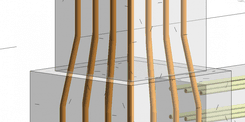
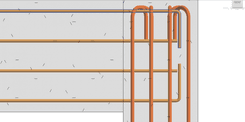
Leverage BIM for Higher Quality: Using BIM-based 3D rebar modeling allows teams to detect clashes early, automate quantity takeoff, and improve the accuracy and constructability of reinforcement designs.
Rebar detailing involves several critical components that must be carefully considered to ensure the structural performance, constructability, and efficiency of a reinforced concrete project.
A Bar Bending Schedule (BBS) is a comprehensive list that specifies the type, size, shape, and quantity of each reinforcing bar required for a project.
The schedule includes detailed cutting and bending dimensions, ensuring that every rebar element is fabricated to fit its designated location precisely. A well-prepared BBS helps minimize material waste, streamline fabrication processes, and provide clear guidance for rebar installation on site.
The layout and spacing of reinforcement bars are essential factors that directly affect the performance of a reinforced concrete structure.
A rebar detailing design defines the exact placement of each reinforcing bar while considering the structure’s ability to resist compression, tension, and shear forces. Proper spacing helps distribute stresses more evenly throughout the structure, reducing the risk of stress concentration, cracking, and potential structural damage.
Rebar lapping refers to the overlapping of two reinforcing bars to maintain the required reinforcement length, while anchorage ensures that reinforcement is securely embedded within the concrete.
Both are critical aspects of rebar detailing, as they help maintain the continuity, stability, and structural integrity of the reinforcement system throughout the entire structure. Proper lapping and anchorage design are essential for ensuring that loads are effectively transferred and that the reinforcement performs as intended.
Professional rebar detailing is essential for ensuring compliance with applicable building codes, engineering standards, and regulatory requirements. Different regions and project types may require adherence to specific design standards and construction regulations. Therefore, rebar detailers must have a thorough understanding of these requirements to develop safe, compliant, and constructible reinforcement designs.
Accurate rebar detailing plays a vital role in the overall safety and reliability of a structure. Errors in reinforcement detailing can create weak points within reinforced concrete elements, increasing the risk of structural damage, excessive cracking, or even failure under load. In contrast, well-planned reinforcement layouts improve the structure’s ability to withstand external forces such as earthquakes, strong winds, and other environmental loads, contributing to a more durable and resilient building.
Despite its critical role in construction projects, rebar detailing comes with several challenges that must be carefully managed.
Modern construction projects often require highly complex reinforcement layouts, making it more difficult to produce accurate and efficient detailing drawings. As structures become more sophisticated, ensuring constructability while maintaining design requirements becomes increasingly challenging.
Rebar detailing must be coordinated with other building systems, including plumbing, electrical, and HVAC systems. Proper coordination is essential to avoid clashes and installation conflicts during construction, which can lead to costly delays and rework.
Mistakes in the detailing process can result in significant construction issues, affecting both project budgets and schedules. Even small errors in reinforcement drawings may lead to fabrication problems, site modifications, or structural deficiencies.
As a result, rebar detailing remains an indispensable part of any reinforced concrete project. It helps ensure the strength, stability, and safety of structures while supporting cost control and minimizing material waste. A solid understanding of rebar detailing enables construction professionals to better plan, design, and deliver projects with long-term durability and performance.
Rebar Detailing plays a vital role in ensuring the quality, safety, and structural performance of reinforced concrete projects. From defining reinforcement layouts and preparing Bar Bending Schedules (BBS) to addressing lapping and anchorage requirements, every aspect directly influences construction efficiency and the long-term durability of a structure.
As the construction industry continues its digital transformation, the adoption of BIM for rebar detailing is becoming increasingly important. 3D rebar models not only help visualize reinforcement designs, detect clashes, and generate accurate quantity takeoffs, but also improve collaboration among project stakeholders. This results in fewer errors, greater efficiency, and optimized construction costs.
At BIMCAD Vietnam, we provide professional BIM implementation and rebar detailing services to help owners, consultants, and contractors improve technical documentation quality and project delivery efficiency. With experience supporting projects both locally and internationally,BIMCAD Vietnam helps organizations leverage BIM to digitize design, construction, and facility management processes in a sustainable and effective way.