DIFFERENTIATING 3 COMMON STRUCTURAL SYSTEMS IN CONSTRUCTION: RC, STEEL & COMPOSITE STRUCTURES

DIFFERENTIATING 3 COMMON STRUCTURAL SYSTEMS IN CONSTRUCTION: RC, STEEL & COMPOSITE STRUCTURES

BIMCAD Journalist 19/05/2026

When looking at a building — whether it’s the house you live in, the office where you work, or the bridge you cross every day — most people tend to focus only on its architectural appearance. However, hidden behind that impressive exterior is an invisible “skeleton” that determines the stability, safety, and lifespan of the entire structure. That is the structural system.

In modern construction, three main structural systems are commonly discussed: Reinforced Concrete (RC) Structure, Steel Structure, and Steel–Concrete Composite Structure. Each system has its own characteristics, advantages, and applications depending on the type of project. Understanding the differences between these structural systems helps engineers, contractors, and project owners choose the most suitable solution in terms of technical performance, construction schedule, and cost efficiency.

So, what makes them different from one another? Let’s break it down in this article!

_3 structure.png

REINFORCED CONCRETE STRUCTURE


RC en.png

CONCEPT

Reinforced Concrete (RC) Structure is the classic combination of Concrete — which performs exceptionally well in compression but poorly in tension — and Steel, which has excellent tensile strength. Steel reinforcement is embedded inside the concrete, creating a unified structural system where both materials complement each other perfectly.

STRUCTURAL COMPONENTS

An RC structure typically consists of:

  • Reinforced concrete foundations
  • Reinforced concrete columns
  • Reinforced concrete beams
  • Reinforced concrete slabs
  • Shear walls or core walls

Steel reinforcement is arranged inside the concrete based on structural calculations performed by structural engineers.

ADVANTAGES

  • High Strength and Stability: RC structures have high stiffness and stability, making them suitable for a wide range of residential and high-rise buildings.
  • Excellent Fire Resistance: Concrete protects the steel reinforcement from high temperatures better than conventional steel structures.
  • Widely Available Materials: Construction materials are easy to source and highly suitable for local construction conditions in Vietnam.
  • Good Sound and Thermal Insulation: This is a major advantage for residential buildings and apartment projects.

DISADVANTAGES

  • Heavy Self-Weight: The large structural weight increases loads on the foundation and supporting system.
  • Longer On-Site Construction Time: Concrete requires curing time to harden and achieve its design strength.
  • Difficult Quality Control: Construction quality heavily depends on the workmanship and site execution team.
  • Limited Long-Span Capability: RC structures are less suitable for projects requiring large column-free spaces.

COMMON APPLICATIONS

RC structures are widely used in: Houses, Apartment buildings, Schools, Hospitals, Residential buildings, Infrastructure projects. Today, RC remains the most commonly used structural system in Vietnam.

Learn More: REINFORCED CONCRETE STRUCTURE (RC STRUCTURE)
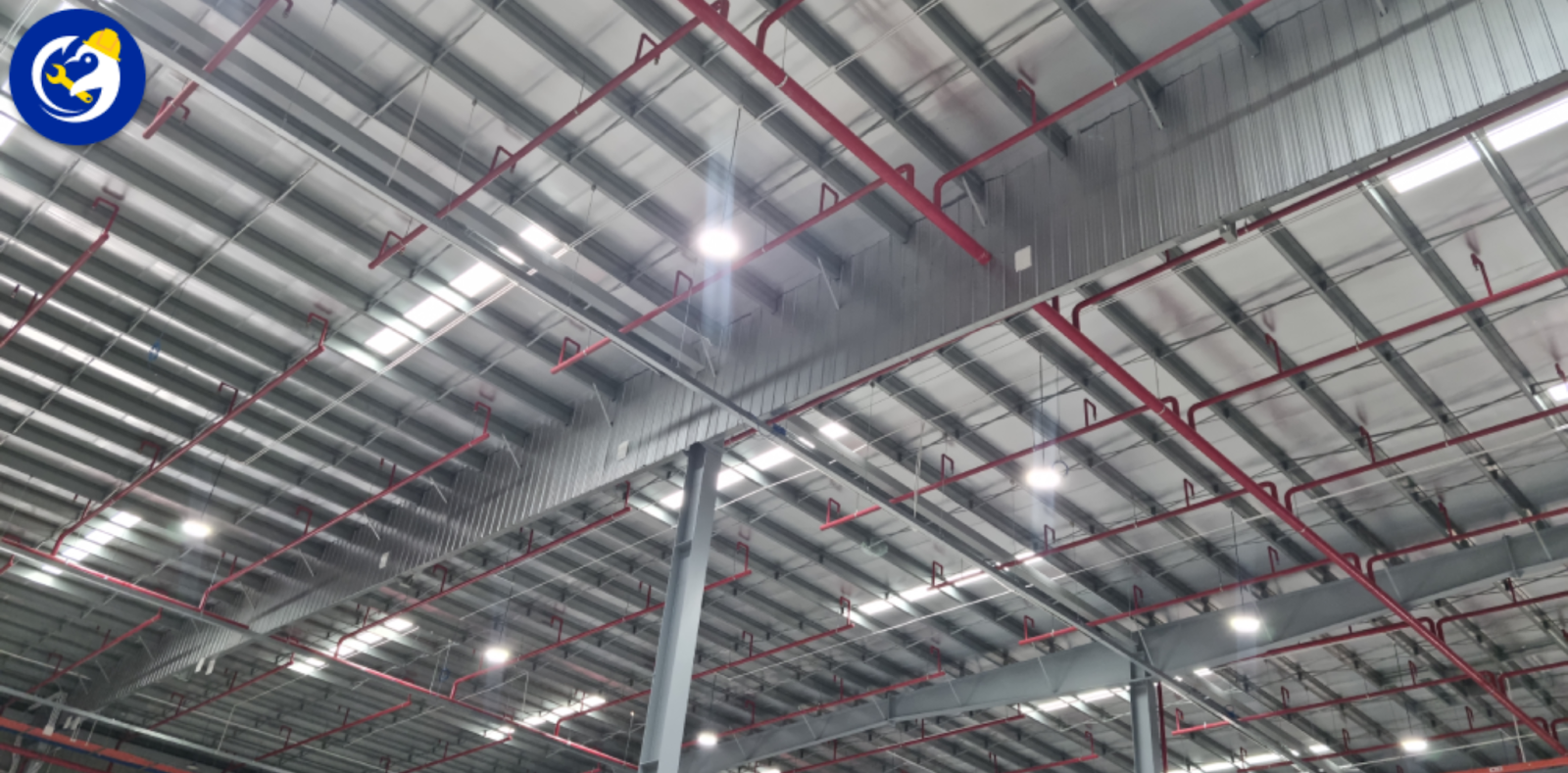
STEEL STRUCTURE


CONCEPT

Steel Structure is a structural system composed of steel components connected together to form the load-bearing framework of a building or infrastructure project. Thanks to its high strength, ductility, and excellent load-bearing capacity, steel has become one of the primary materials used in modern construction.

MAIN STRUCTURAL COMPONENTS

  • Steel columns
  • Steel beams
  • Steel bracing systems
  • Steel trusses
  • Metal deck slabs
  • Connection bolts
  • Connection plates

Commonly used steel sections include:

  • H-beams
  • I-beams
  • Box steel sections
  • Channel steel sections

ADVANTAGES

  • Extremely Fast Construction: Structural components are prefabricated in factories and only need to be transported and assembled on-site, significantly reducing construction time.
  • Lightweight: Steel structures greatly reduce loads on the foundation system, making them suitable for projects built on weak soil conditions.
  • Excellent Long-Span Capability: Ideal for large open spaces such as factories and stadiums without requiring many supporting columns.
  • Superior Strength-to-Weight Ratio: Steel provides one of the highest strength-to-weight ratios among construction materials.
  • High Precision: CNC fabrication technology ensures better quality control and high construction accuracy.

DISADVANTAGES

  • Poor Fire Resistance: Steel rapidly loses its load-bearing capacity at high temperatures (around 550°C), requiring additional and often costly fireproofing solutions.
  • Corrosion Risk: Steel components require protective coatings or galvanization to resist environmental corrosion.
  • Higher Initial Cost: The upfront construction cost is generally higher compared to reinforced concrete structures.

COMMON APPLICATIONS

Steel structures are increasingly preferred for projects requiring fast-track construction, including: High-rise buildings, Skyscrapers, Industrial factories, Sports arenas, Airports, Shopping malls, Long-span bridges and structures.

COMPOSITE STRUCTURE


mặt cắt dầm.png

CONCEPT

Composite Structure is a structural system in which steel and concrete components are connected so they can work together to resist loads simultaneously. Instead of functioning independently, these two materials are combined to maximize the strengths of each, creating a more efficient and economical structural system.

COMMON TYPES OF COMPOSITE STRUCTURES

  • Steel–Concrete Composite Beams: Steel beams are integrated with concrete slabs using shear studs.
  • Concrete-Encased Steel Columns: Steel columns are encased in concrete to improve load-bearing capacity and fire resistance.
  • Composite Metal Deck Slabs: Steel deck sheets are combined with cast-in-place concrete slabs.

ADVANTAGES

  • Very High Load-Bearing Capacity: Suitable for high-rise buildings and structures with heavy loads.
  • Reduced Structural Member Size: Helps optimize usable space within the building.
  • Faster Construction Speed: Combines the advantages of both steel and concrete systems.
  • Optimized Economic Efficiency: Particularly effective for large-scale projects.
  • Better Fire Resistance Than Pure Steel Structures: The concrete layer helps protect steel components from high temperatures.

DISADVANTAGES

  • Complex Design Requirements: Requires highly skilled structural engineers with expertise in both steel and concrete systems.
  • Higher Construction Cost: Often considered the most expensive solution among the three structural systems.
  • High Construction Precision Required: Especially at shear stud connections and structural joint details.

COMMON APPLICATIONS

Composite structures are commonly used in high-performance projects such as: Skyscrapers, Long-span bridges, Multi-story parking structures, Buildings requiring strict deflection and vibration control.

Today, Composite Structure is becoming an increasingly popular solution in modern construction projects due to its ability to optimize both technical performance and economic efficiency.

OVERALL COMPARISON OF THE 3 STRUCTURAL SYSTEMS


Criteria

RC Structure

Steel Structure

Composite Structure

Main Material

Concrete + Reinforcement SteelSteelSteel + Concrete

Weight

HeavyLightweightMedium

Construction Speed

ModerateFastFast

Long-Span Capability

ModerateGoodExcellent

Fire Resistance

GoodPoor (Requires Protection Solutions)Good

Design Complexity

ModerateModerateHigh

Industrialization Level

LowHighHigh

Initial Cost

LowHighVery High

Load-Bearing Capacity

GoodVery GoodOutstanding

Common Applications

Residential BuildingsIndustrial BuildingsHigh-Rise Buildings, Bridges

THE ROLE OF BIM IN STRUCTURAL DESIGN AND MANAGEMENT


Along with the digital transformation trend in the construction industry, BIM is becoming an essential tool for implementing modern structural systems. Through BIM, engineers can:

  • Manage RC, Steel, and Composite models in an integrated environment
  • Perform clash detection between different disciplines
  • Optimize structural components and material usage
  • Generate accurate shop drawings
  • Support steel structure fabrication workflows
  • Improve construction scheduling and site management

Especially for projects using Steel Structures and Composite Structures, BIM enhances coordination between: Design, Fabrication, Erection, Site management. As a result, BIM helps reduce errors, improve collaboration, and optimize overall project costs.

CONCLUSION


Each structural system offers its own advantages and is suitable for different types of projects and technical requirements. RC Structure is ideal for traditional residential and civil buildings, Steel Structure is well-suited for industrial projects and fast-track construction, while Composite Structure provides an optimal solution for modern buildings with heavy loads and long spans.

As the construction industry continues to shift toward BIM and digital technologies, understanding the characteristics of each structural system will help businesses and engineers develop more efficient design solutions, optimize costs, and improve overall project quality.

If you are looking for comprehensive digital transformation solutions for the construction industry with optimized costs, register today to receive free consultation and support from the BIMCAD Vietnam expert team.

We are committed to supporting businesses in overcoming construction industry challenges through smart, efficient, and innovative IT solutions.

CONTACT US NOW → 

Get a free consultation
contact us
Fill out the form and contact us today for an absolutely free consultation of anything related to BIM/CAD.
footer
logo
text-logo
Quality & Information Security
are at the core of our priorities.
iso9001
iso27001
awardsaokhue
Contact
Email:sales@tgl-sol.com
Hotline:(+84) 377 359 728
Ho Chi Minh Office:42/1 Ung Van Khiem Street, Ward 25, Binh Thanh District, Ho Chi Minh
Da Nang Office:01 Tran Van Ky Street, Hoa Khanh Nam Ward, Lien Chieu District, Da Nang
Headquarter:3F Tojikyo Building, 16-2 Kodenmacho, Nihonbashi, Chuo-ku, Tokyo, Japan
Follow Us
BIM/CAD © 2023 All Rights Reserved
Hey 👋 I'm right here to help you, so just click the chat button.