Choosing between steel structures and reinforced concrete structures is an important decision that directly affects the quality and durability of a construction project. This article will help you compare in detail the advantages and disadvantages of these two materials, allowing you to make the most accurate decision
Steel structures are systems of steel components connected together to form the load-bearing framework of a construction project. With high strength, ductility, and excellent load-bearing capacity, steel has become a primary material in modern construction.
Steel structures, with their superior strength, high flexibility, and durability, are becoming an inevitable trend in the modern construction industry. Their ability to bear heavy loads, resist fire and earthquakes, and allow for easy assembly helps save construction time, reduce costs, and ensure the safety of the structure.
Learn More: Overview of Structural Analysis in Construction Design
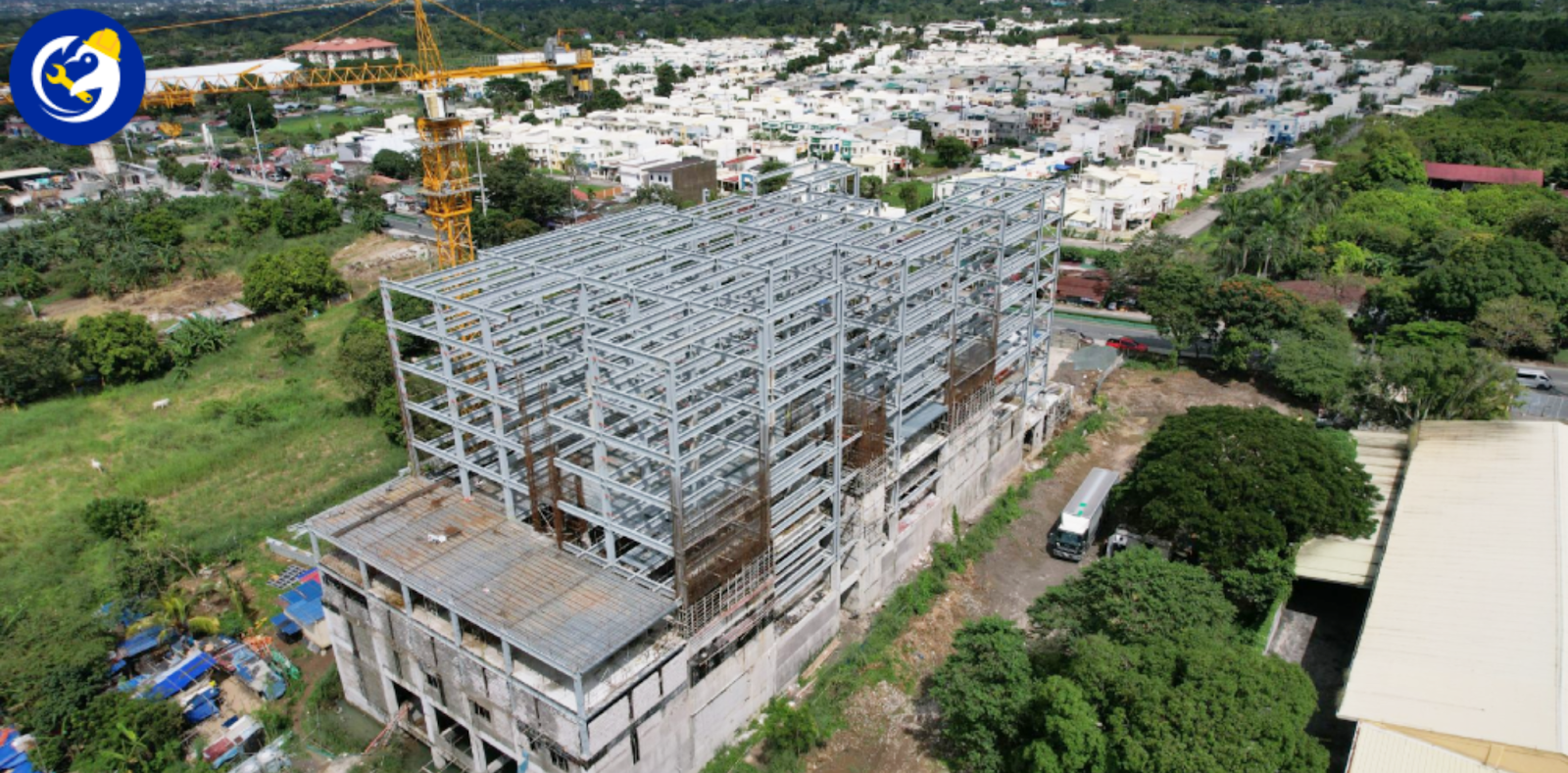
Compared to reinforced concrete, steel is significantly lighter, which helps reduce the load on foundations and allows for more spacious design layouts. In particular, the 100% recyclability of steel contributes to environmental protection and minimizes construction waste. With these outstanding advantages, steel structures not only meet the demands for fast construction but also deliver durable, safe, and aesthetically appealing buildings.
Reinforced concrete is a composite material combining concrete and steel. In this combination, concrete bears compressive forces while steel resists tensile forces. This synergy creates a construction material with high strength and excellent load-bearing capacity, widely used in modern construction projects.
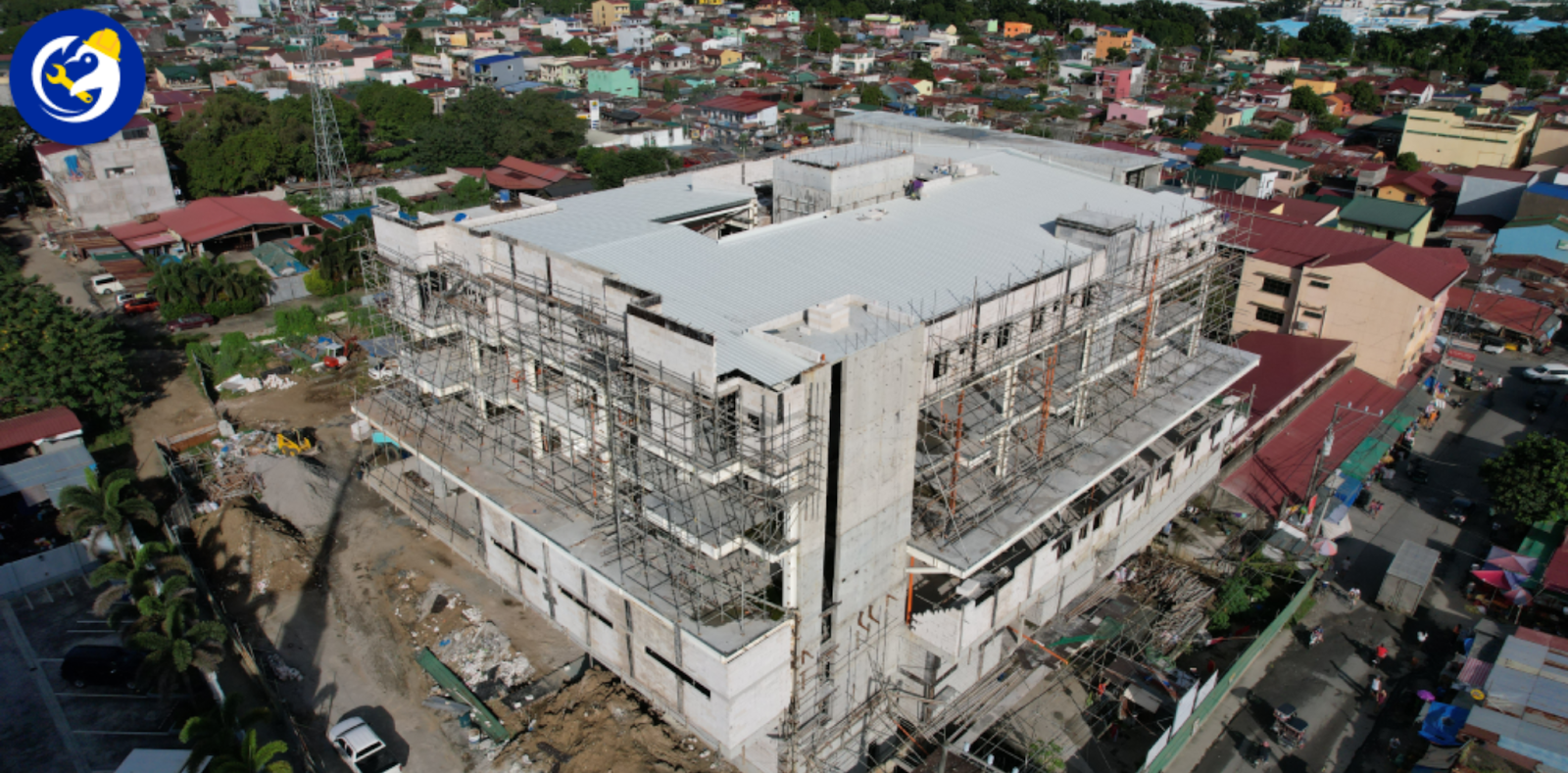
Reinforced concrete, the perfect combination of concrete and steel, has become an indispensable construction material in modern projects. Concrete, with its excellent compressive strength, combined with steel’s superior tensile strength, forms a robust structure capable of withstanding heavy loads and external forces. Its outstanding load-bearing capacity, high durability, and design flexibility make reinforced concrete widely used in various applications, from residential buildings and high-rises to infrastructure projects. Compared to traditional construction materials, reinforced concrete offers better strength, longer lifespan, and greater design versatility. In particular, reinforced concrete can withstand loads of up to several hundred tons, ensuring the safety of structures under all conditions.
Steel structures are primarily made from structural steel, an iron-carbon alloy with high strength and flexibility. To enhance properties such as hardness, corrosion resistance, and tensile strength, small amounts of other alloying elements like manganese, silicon, chromium, and nickel are often added. As a result, structural steel can meet a wide range of technical requirements for various construction projects.
The steel components in a structure are connected using several methods, such as welding, bolting, or riveting. Each connection method has its own advantages and disadvantages, chosen based on the technical requirements and construction conditions of the project.
Reinforced concrete is a composite material combining concrete and steel. Concrete, a homogeneous mixture of cement, aggregates (sand and gravel), and water, has excellent compressive strength but is weak in tension. To overcome this weakness, steel bars or meshes are embedded within the concrete. Once the concrete hardens, the steel handles tensile forces while the concrete bears compressive forces, forming a strong structure with high overall load-bearing capacity.
Cement, the core component of concrete, acts as the binding agent for the aggregate particles. The hydration process of cement when it comes into contact with water creates a solid matrix that binds tightly with the aggregates. Aggregates, including sand and gravel, provide mass and strength to the concrete.
Learn More: Understanding the Different Types of Connections in Modern Steel Structures
Steel structures are renowned for their high strength-to-weight ratio, meaning they can withstand large loads relative to their own weight. This makes steel an ideal material for projects requiring long spans, high load-bearing capacity, and design flexibility, such as high-rise buildings, bridges, industrial facilities, and other infrastructure works. Steel can resist both tensile and compressive forces effectively, allowing for complex-shaped components with compact cross-sections, which helps reduce weight and save material.
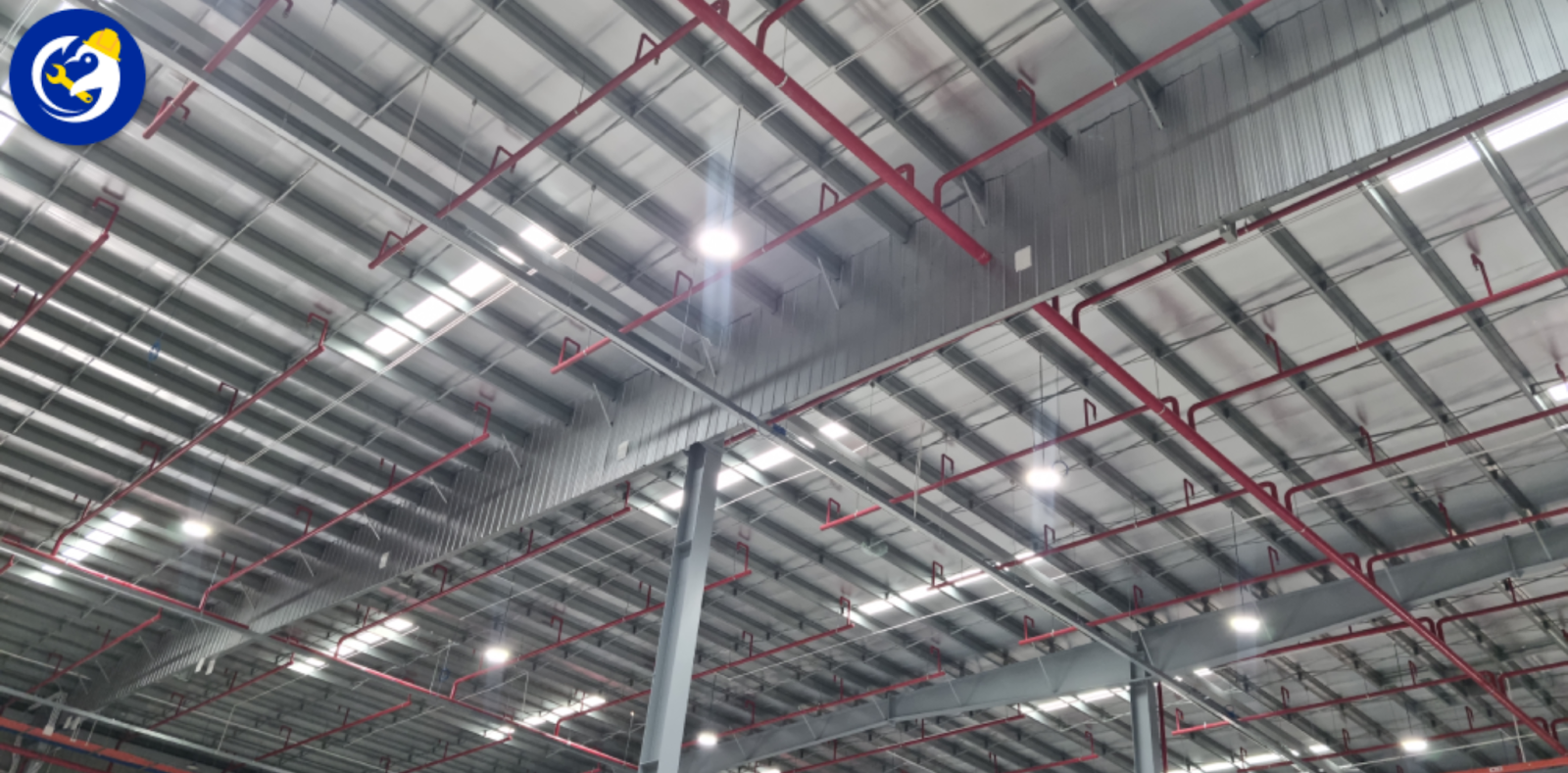
Reinforced concrete is the perfect combination of two materials: concrete and steel. Concrete has excellent compressive strength but is weak in tension. To overcome this limitation, steel bars (reinforcement) are embedded within the concrete. Once the concrete hardens, the steel bears tensile forces while the concrete handles compressive forces, forming a strong structure with high overall load-bearing capacity. This combination makes reinforced concrete a widely used construction material in both residential and industrial projects, such as houses, apartment buildings, bridges, tunnels, and hydraulic structures.
Steel structures, with their high strength, excellent load-bearing capacity, and ductility, have revolutionized the construction industry. Steel can be easily fabricated into various shapes, from straight lines and sharp angles to smooth curves, creating unique and striking architectural spaces. Its ability to span long distances and create large open areas allows for designs with open, airy layouts that maximize natural light. Additionally, steel components can be prefabricated in factories and quickly assembled on-site, reducing construction time and increasing economic efficiency. For these reasons, steel structures are often chosen for industrial facilities, high-rise buildings, bridges, airports, and modern architectural projects that demand high aesthetic value.
Learn More: Common Steel Structural Systems in High-Rise Construction
Reinforced concrete also offers considerable design creativity. Concrete can be cast into molds of various shapes, producing unique and intricate architectural details. The combination of concrete and steel enhances the structure’s load-bearing capacity and durability, allowing for the creation of large, solid concrete elements. However, the design flexibility of reinforced concrete is generally more limited compared to steel due to the more complex construction process, which requires formwork and curing time. Reinforced concrete is commonly used in residential buildings, apartment complexes, bridges, and industrial projects that demand high durability and heavy load-bearing capacity.
Steel structures are notable for their rapid construction speed. Steel components are prefabricated in factories according to design drawings, then transported to the construction site for assembly. This process minimizes on-site construction time and shortens project schedules. Additionally, the use of bolted or welded connections further reduces assembly time compared to other connection methods. Thanks to their lightweight nature, steel components are easy to transport and install, especially in projects with complex terrain or limited space.
Reinforced concrete typically has a slower construction pace compared to steel structures. The construction process includes several stages: formwork setup, reinforcement placement, concrete pouring, and curing. Formwork assembly and concrete curing require significant time and labor. However, with technological advancements, modern concrete construction methods—such as ready-mix concrete, pumped concrete, and precast concrete components—have significantly reduced construction time. Moreover, the use of modular formwork systems also contributes to faster construction.
The combination of steel and reinforced concrete structures, often referred to as composite structures, has become an optimal construction solution, maximizing the advantages of both materials. By combining the high strength and flexibility of steel with the excellent compressive capacity and long-term durability of concrete, composite structures offer superior performance and can meet a wide range of technical requirements.
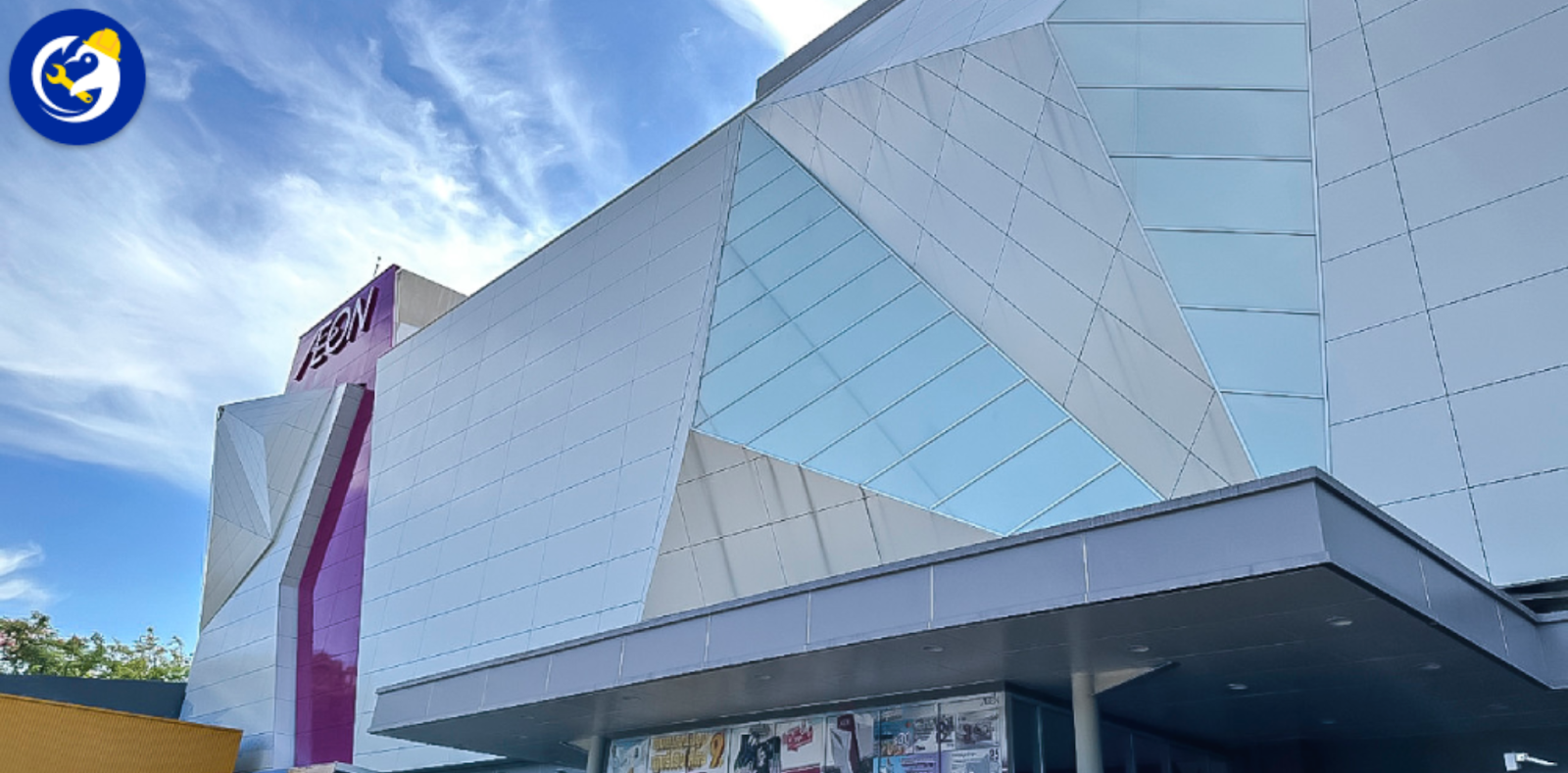
One of the most common applications of composite structures is the use of steel beams or columns embedded within reinforced concrete components. Steel, with its high strength and excellent load-bearing capacity, ensures the durability and stability of the structure. The concrete surrounding the steel not only enhances compressive strength but also provides effective protection against corrosion and improves fire resistance. This combination creates structural elements with high strength, stiffness, and superior overall load-bearing capacity.
The combination of steel and reinforced concrete offers several significant benefits, including:
Composite structures are widely applied in various types of projects, including:
If you need a tool to automatically design and deploy structural drawings, try the free TakaCAD utility today.
The TakaCAD utility is integrated into the VinaCAD platform and supports detailed 2D rebar design for components such as beams, columns, slabs, and foundations with just one click. It also includes features for rebar distribution, detailed reporting, and quantity take-off for accurate cost estimation.
Currently, the TakaCAD version is 100% free and is only used for rebar layout in beam components.
You can download the VinaCAD software and try it out here.

Choosing between steel and reinforced concrete structures is an important decision that directly affects the quality, durability, and efficiency of a construction project. Therefore, carefully evaluating factors such as loads, environmental conditions, aesthetic requirements, and budget is essential. Consulting with structural engineering experts can help make the most accurate and effective decision.
Are you looking for BIM software, CDE platforms, comprehensive construction management software, or any other technology and engineering solutions related to BIM/CAD for your project?
Don’t worry — BIMCAD Vietnam is always ready to support you!