The construction industry is inherently fragmented, requiring close coordination among all stakeholders—from owners, architects, and engineers to contractors. This is exactly the challenge that BIM was developed to address.
Today, BIM has become widely adopted in the AEC industry and is considered a “breakthrough innovation” that brings many practical benefits. It not only enhances collaboration among stakeholders but also helps reduce errors, lower costs, and improve the overall efficiency of projects.
Let’s explore with BIMCAD Vietnam the specific benefits that BIM brings to six common sectors in the AEC industry.
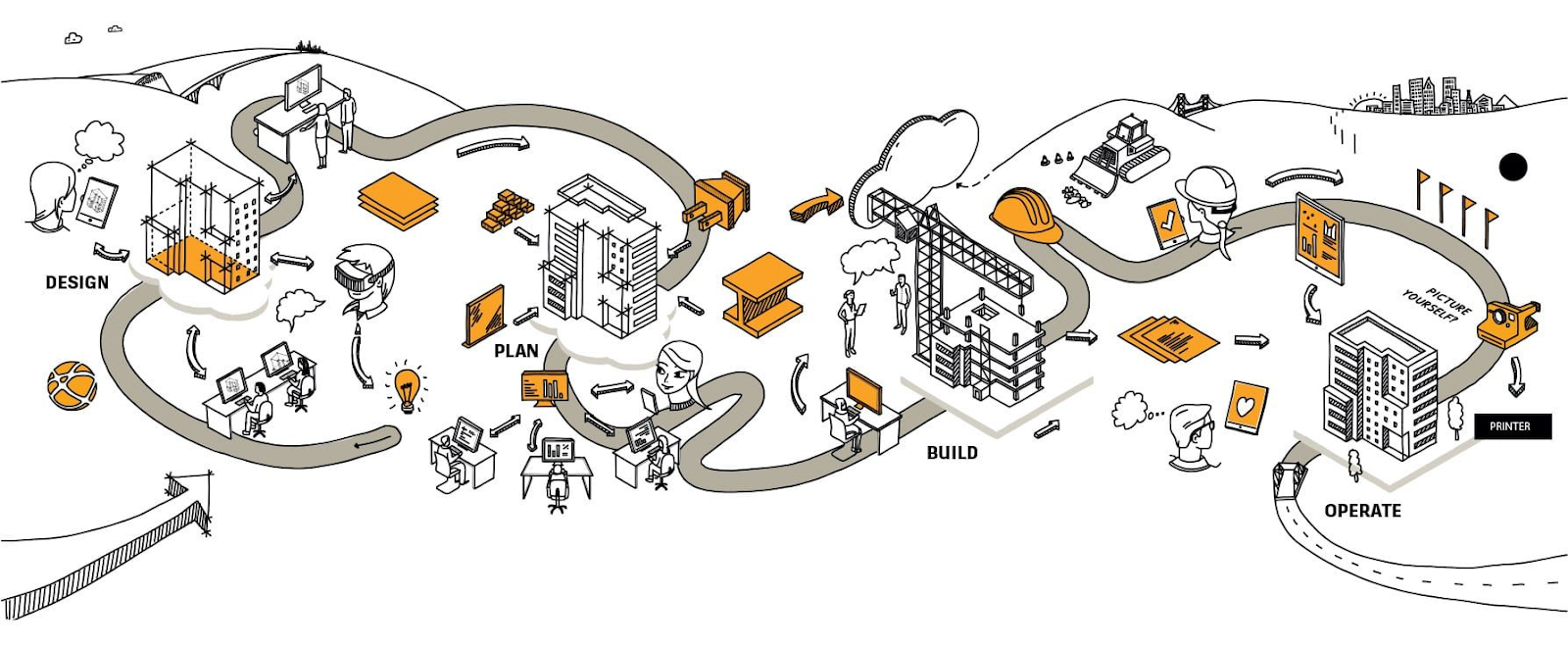
Stages of Construction Planning (Source: construction.autodesk.com)
With the application of BIM, architects can actively participate not only in the design development process but also in the construction phases of a project. With software such as Autodesk Revit and ArchiCAD, architects can now perform building performance analysis—tasks that were previously handled only by energy consultants and engineers.
These tools allow calculations of optimal thermal comfort levels, energy consumption, and associated costs.
Examples of tools include:
Learn more: Understanding the Difference Between BIM and CAD in 5 Minutes.
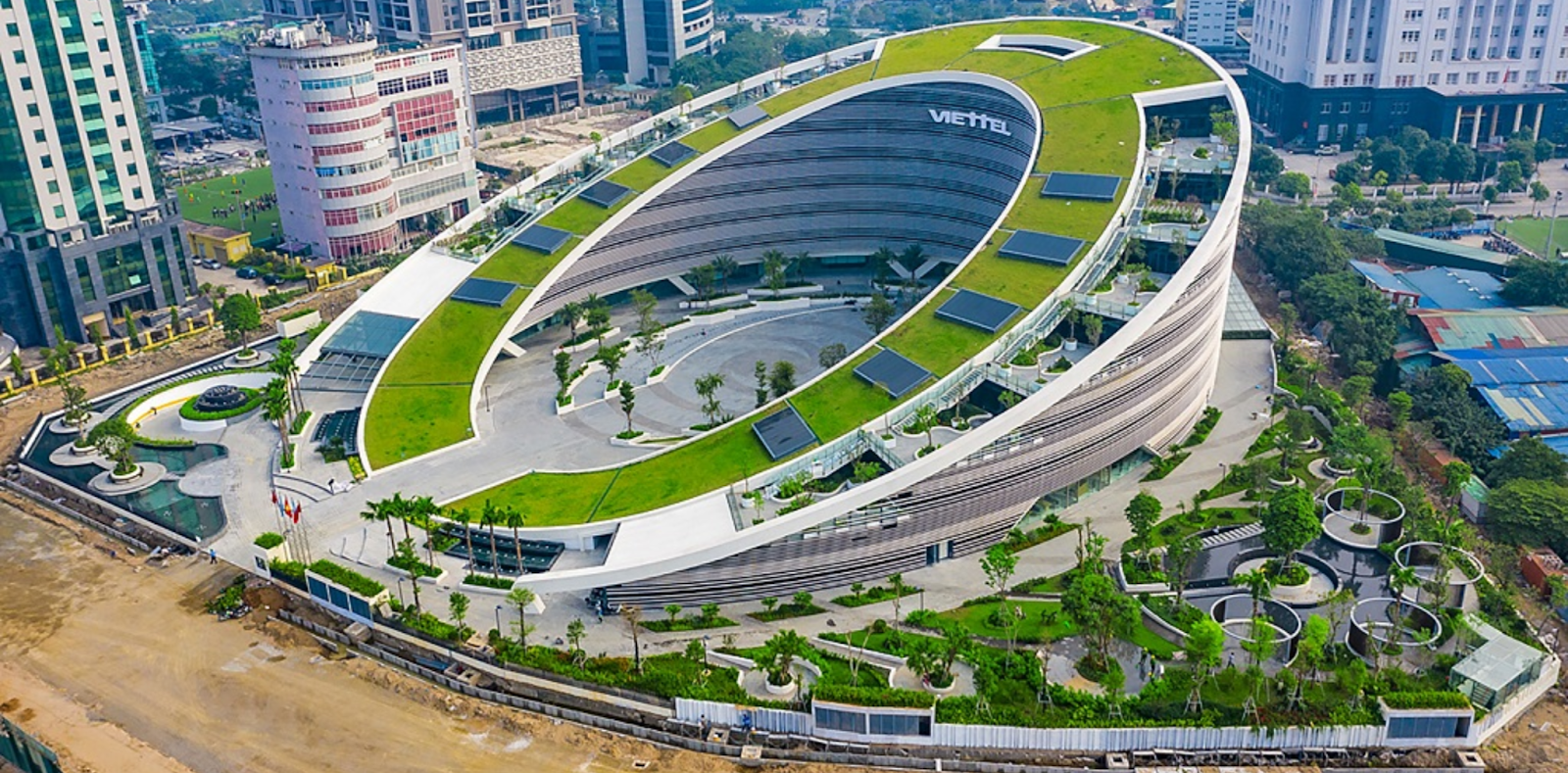
Landscape Design with BIM
Compared to other fields within the AEC industry, landscape design has its own unique characteristics that require BIM tools capable of simulating natural elements, ecosystems, and human interaction with the surrounding environment. Landscape architecture is not simply about arranging greenery; it also involves protecting ecosystems and improving the health and Quality of Life (QoL) for users. Building Information Modeling (BIM) plays an important role in making this possible.
BIM provides detailed 3D models with integrated data, enabling landscape designers to:
Learn more: Current BIM Levels.
The application of Building Information Modeling (BIM) at the urban scale plays a key role in creating smart, sustainable, and healthy cities. Instead of relying solely on the input of architects and traditional urban planners, BIM opens the door to comprehensive analysis and simulation, providing a strong foundation for effective urban planning.
Integration with other technologies such as Geographic Information System (GIS) allows urban data to be analyzed and managed more easily by various stakeholders. In fact, in the field of urban planning, the implementation of BIM has further evolved into a new system known as City Information Modeling (CIM).
BIM has become an essential tool for developing smart, healthy, and sustainable cities. With its powerful capabilities in data analysis, simulation, and integration, BIM enables planners to make informed decisions, optimize energy efficiency, protect the environment, and improve the quality of life for urban residents.
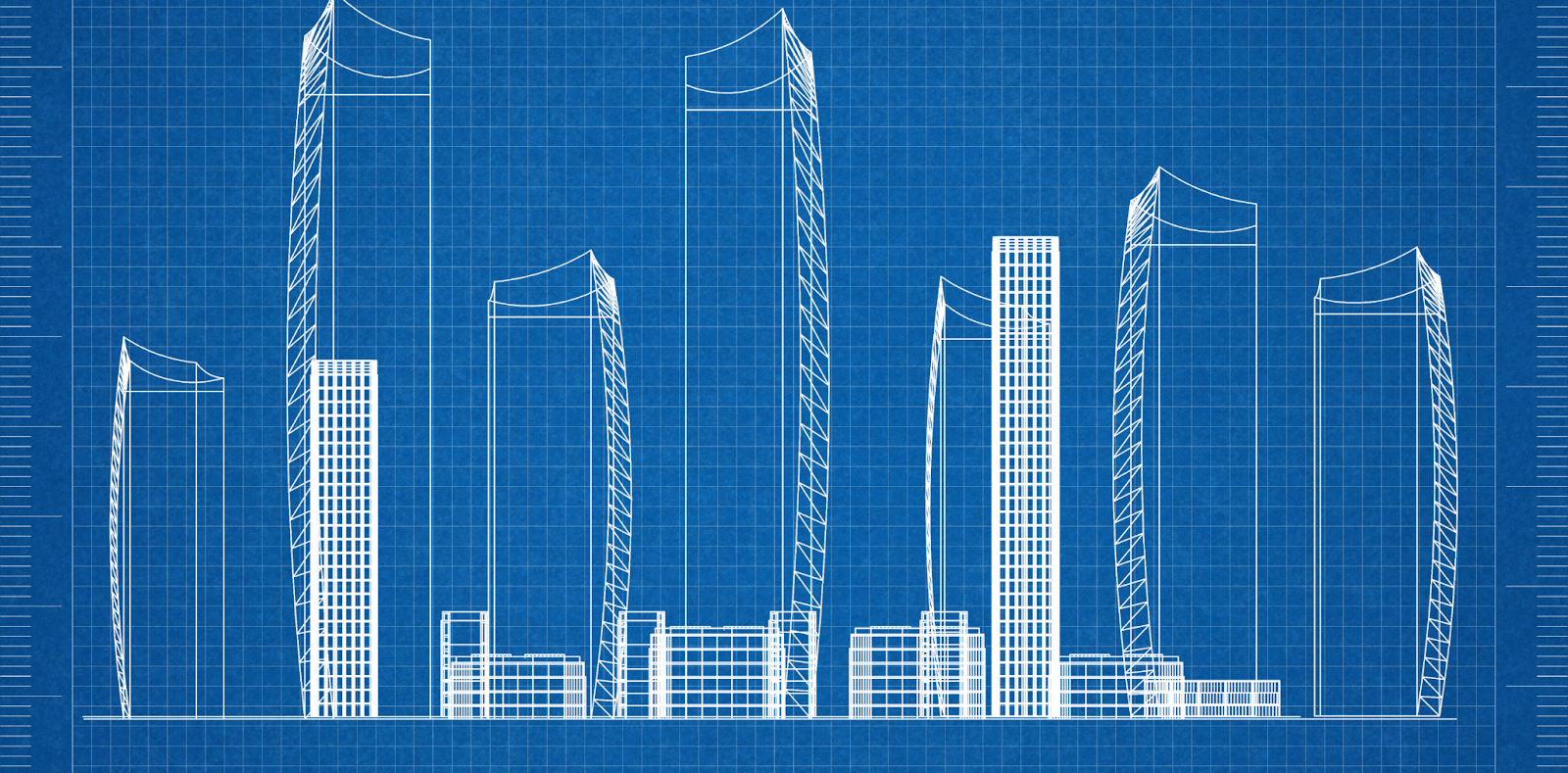
BIM in construction
Building Information Modeling (BIM) software has brought a revolution to the construction industry, providing a foundation for more efficient design and construction processes than ever before. By integrating real-world data, Computer-Aided Design (CAD), and Geographic Information System (GIS), BIM enables the creation of comprehensive 3D models optimized for every stage of a project—from design and construction to operation.
BIM has become an essential tool for the modern construction industry, delivering significant benefits such as improved design efficiency, reduced risks, cost savings, and enhanced construction quality.
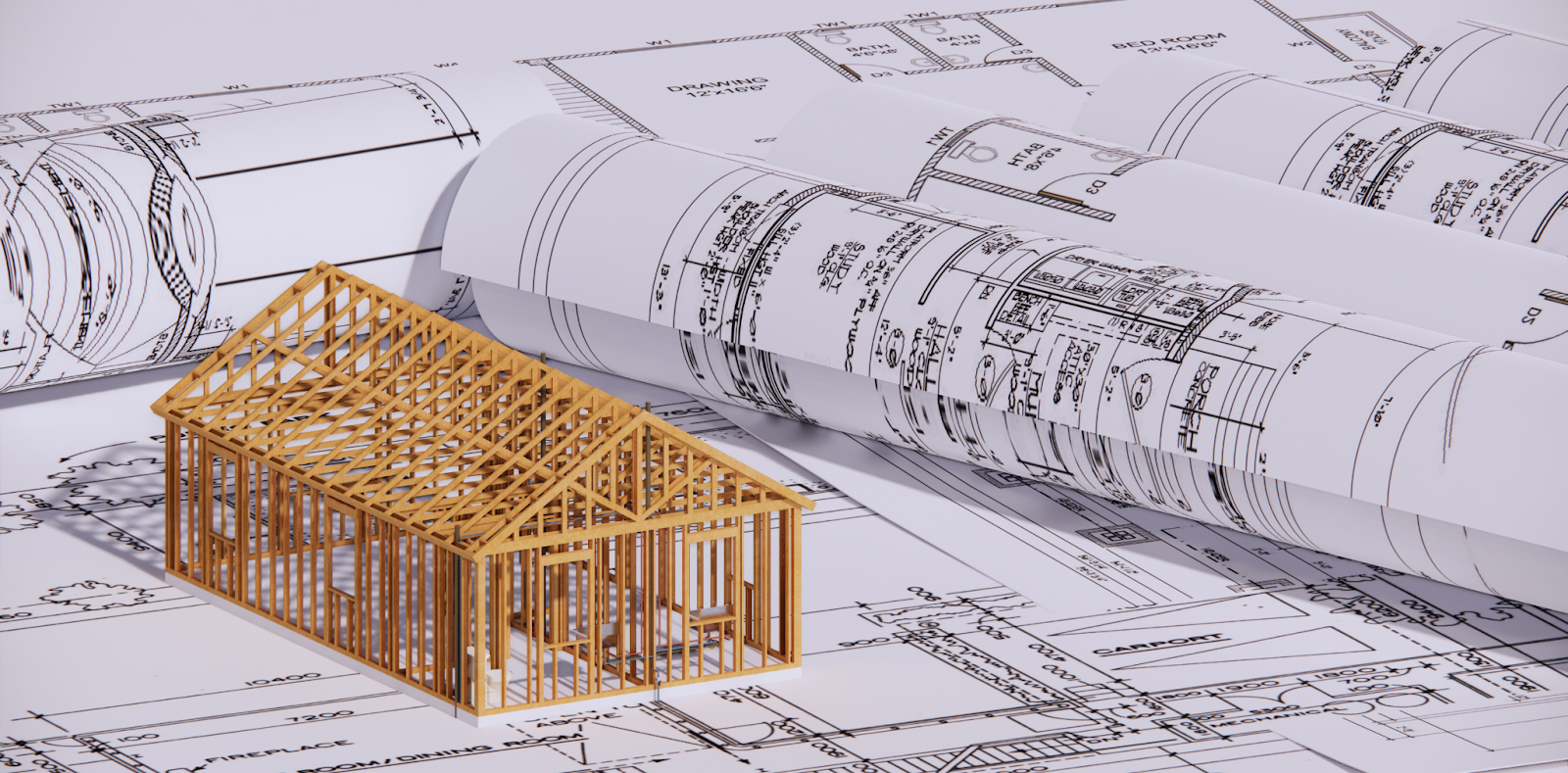
2D Drawings & 3D Interior Models
Building Information Modeling (BIM) is the key to achieving perfect interior design and creating ideal living spaces for individuals.
Beyond simply creating 3D models, BIM integrates real-world information such as dimensions, costs, and technical parameters to support the entire design and construction process.
BIM has become an essential tool for modern interior design, offering numerous advantages such as improved design efficiency, reduced errors, better communication, and enhanced client experience. The growing adoption of BIM is expected to open a new future for the interior design industry, contributing to the creation of better living environments for individuals.
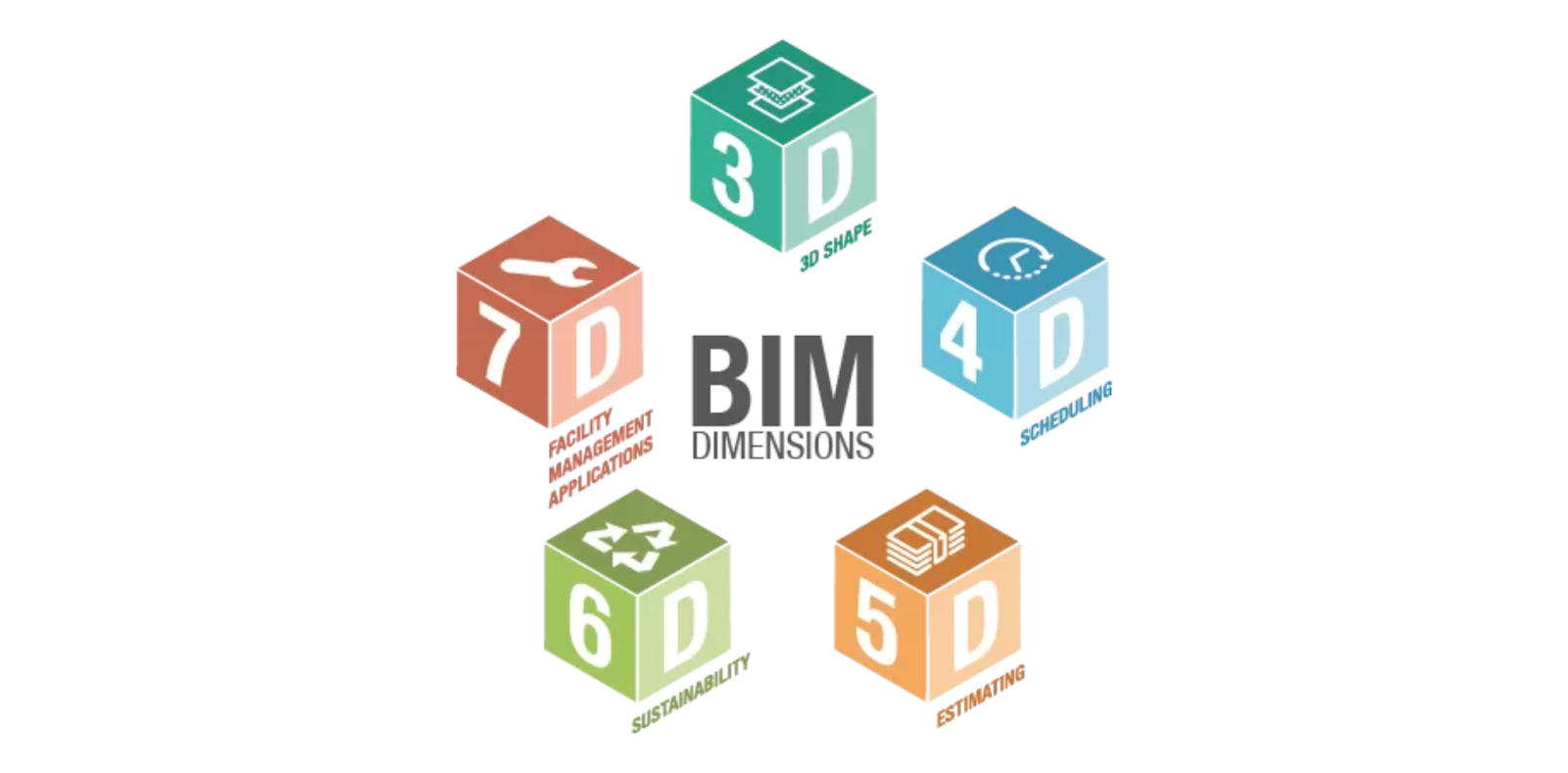
BIM 3D to 7D
Construction management services require the effective handling of key project factors such as program planning, quality, schedule, cost, and safety. The strength of Building Information Modeling (BIM) in construction management lies in its advanced analysis and collaboration tools, which enable complex and detailed information to be managed efficiently.
Thanks to 3D BIM models that store comprehensive project information, quantity take-offs and the estimation of costs and timelines for each phase can be carried out quickly and with high accuracy. This comprehensive model allows project analysis from the early stages, helps predict the final outcome during construction, and enables the identification and resolution of potential clashes or design errors.
Learn more: Onsiter Cloud – A comprehensive construction project management platform.
Building Information Modeling (BIM) is a breakthrough technology that provides comprehensive solutions for many sectors within the AEC industry. The increasingly widespread adoption of BIM is expected to promote the sustainable development of the construction industry, contributing to the creation of smart, modern, and livable cities for people.
Are you facing difficulties implementing BIM, Autodesk Revit, Common Data Environment (CDE), or any technological and technical aspects related to BIM for your project?
Don’t worry — BIMCAD Vietnam is always ready to support you!