Digital construction technology has emerged as a game-changing tool in the Architecture, Engineering, and Construction (AEC) industry, revolutionizing traditional practices and paving the way for unprecedented efficiency and innovation. From Building Information Modeling (BIM) to drones and artificial intelligence, several trends are reshaping how construction projects are conceptualized, planned, and executed.
Learn more: Applications of BIM in Six Common AEC Fields Today
In the context of rapidly advancing technology, digital construction technology encompasses a wide range of tools and methods designed to streamline construction processes, reduce costs, and improve project outcomes. This includes leveraging advanced software solutions, cutting-edge hardware, and data-driven insights to optimize every stage of the construction lifecycle.
Learn more: Understanding the Difference Between BIM and CAD in 5 Minutes.
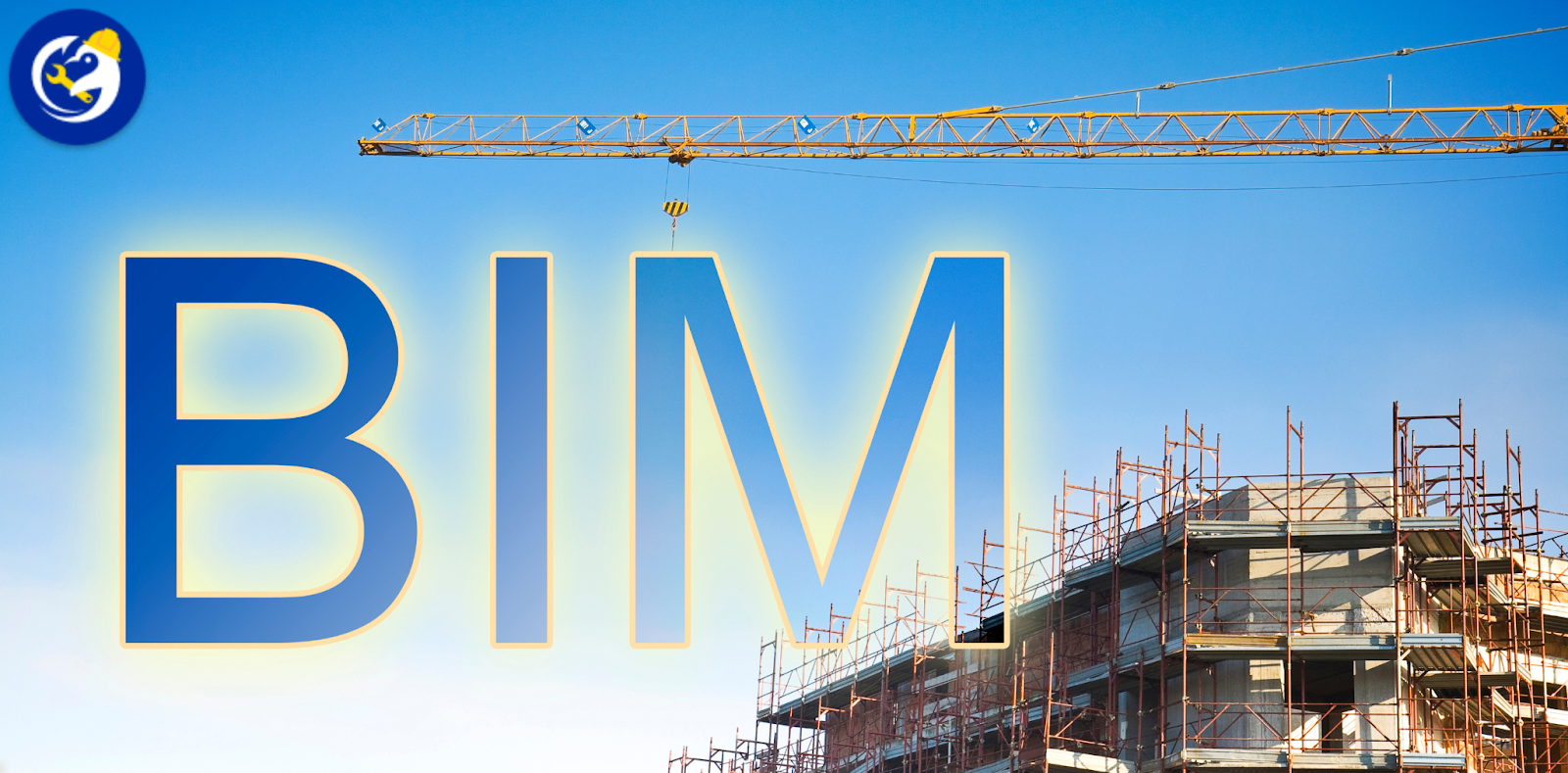
At the forefront of digital construction technology is Building Information Modeling (BIM), a sophisticated process that involves creating digital representations of the physical and functional characteristics of a building. By centralizing project information and enabling collaborative workflows, BIM facilitates better decision-making, reduces errors, and improves project coordination.

Virtual Reality (VR) and Augmented Reality (AR) technologies are transforming how construction projects are visualized and experienced. By immersing stakeholders in virtual environments, VR enables realistic simulations of construction sites, while AR overlays digital information onto the real world, providing valuable insights during design reviews and on-site inspections.

Drones have become an indispensable tool in the construction industry, providing aerial perspectives that support site surveying, progress monitoring, and safety inspections. Equipped with high-resolution cameras and advanced sensors, drones offer unparalleled visibility and data collection capabilities, enhancing project monitoring and decision-making.

The integration of robotics and automation is revolutionizing construction tasks that have traditionally been performed by humans. From bricklaying robots to autonomous vehicles, these technologies are accelerating project timelines, improving safety, and reducing reliance on manual labor, thereby addressing workforce shortages and productivity challenges.
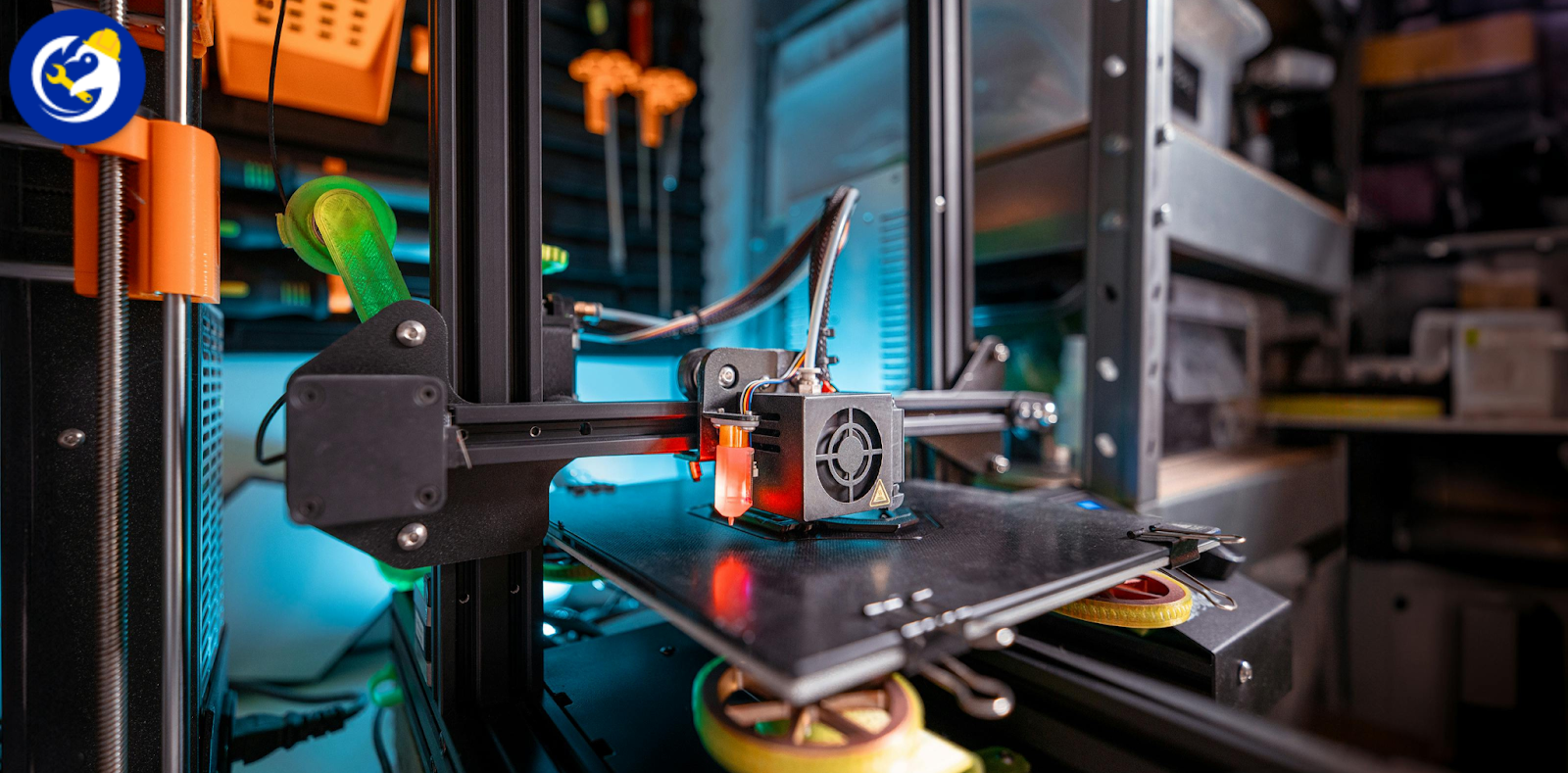
3D printing technology is expanding the boundaries of what is possible in construction, enabling rapid prototyping and the fabrication of complex structures and components. From affordable housing to intricate architectural features, 3D printing offers unprecedented design freedom and cost efficiency while minimizing material waste and environmental impact.

The Internet of Things (IoT) is reshaping construction sites by connecting physical objects and devices to the internet, enabling real-time monitoring, control, and optimization of various processes. IoT devices such as sensors, wearables, and smart tools collect valuable data that can be leveraged to enhance safety, productivity, and resource utilization.

Artificial Intelligence (AI) is playing a key role in optimizing construction operations and decision-making processes. Through advanced algorithms and machine learning techniques, AI systems can analyze large volumes of data, predict project outcomes, and identify potential risks, empowering stakeholders to make informed decisions and reduce uncertainty.
Digital construction technologies are driving sustainability initiatives in the industry, promoting environmentally friendly practices and resource-efficient designs. From the use of renewable materials to energy-efficient building systems, these innovations are helping reduce carbon emissions and encourage environmentally responsible construction practices.
Although digital construction technology has transformative potential, several challenges remain, including issues related to data security, interoperability, and workforce readiness. However, with the right investments in training and infrastructure, these challenges can be overcome, unlocking tremendous opportunities for growth and innovation in the construction industry.
In conclusion, the leading trends in digital construction technology are revolutionizing the way construction projects are planned, executed, and delivered. From BIM and drones to AI and sustainability initiatives, these innovations are driving unprecedented levels of efficiency, safety, and sustainability across the construction industry. By embracing digital transformation and investing in the right tools and technologies, stakeholders can position themselves for success in an increasingly competitive and dynamic market.
Are you facing challenges in implementing BIM, Revit, CDE, or any technology and engineering aspects related to BIM for your project?
Don’t worry — BIMCAD Vietnam is always ready to support you!