As green building standards, Net Zero initiatives, and sustainable development goals continue to gain momentum, optimizing energy performance has become a top priority for many construction projects. This is why Energy Modeling is increasingly being adopted to evaluate, predict, and optimize a building’s energy consumption from the earliest stages of design.
When integrated with Building Information Modeling (BIM), Energy Modeling enables stakeholders to make more informed decisions, reduce operational costs, and improve long-term building performance. So, why is this technology becoming such an important trend in 2026? Let’s explore the key reasons in this article.

Energy Modeling is the process of simulating and analyzing a building’s energy performance in a digital environment before construction begins. Using a BIM model, project teams can evaluate the impact of various factors, including:
As a result, design decisions can be based on accurate data and performance analysis rather than traditional assumptions, leading to more efficient and sustainable building solutions.
Many countries are implementing stricter regulations related to energy efficiency, carbon emission reduction, and green building development. Energy Modeling enables project teams to assess compliance during the design phase, helping to minimize costly modifications during construction.
In addition, it plays a critical role in achieving green building certifications such as LEED, LOTUS, and Green Mark.
Operational expenses often account for a significant portion of a building's lifecycle cost. Through Energy Modeling, project owners can evaluate different design options to reduce energy, water, and utility consumption.
By identifying performance issues early in the design process, projects can achieve lower operating costs and better long-term return on investment.
The global push toward Net Zero is driving major changes across the construction industry. Energy Modeling helps evaluate carbon emissions, optimize energy performance, and assess the integration of renewable energy solutions.
As a result, buildings can reduce their environmental impact while improving sustainability throughout their operational lifecycle.
Energy Modeling allows stakeholders to simulate how a building will perform under real-world conditions before construction begins. Project teams can compare multiple design alternatives, analyze their performance, and identify the most efficient solution.
This approach helps ensure that buildings not only meet technical requirements but also deliver greater occupant comfort and operational efficiency.
Building Information Modeling (BIM) serves as the central data platform for energy analysis and simulation. Rather than creating separate models, project teams can directly utilize BIM data within energy analysis tools.
The integration of BIM and Energy Modeling provides several key benefits:
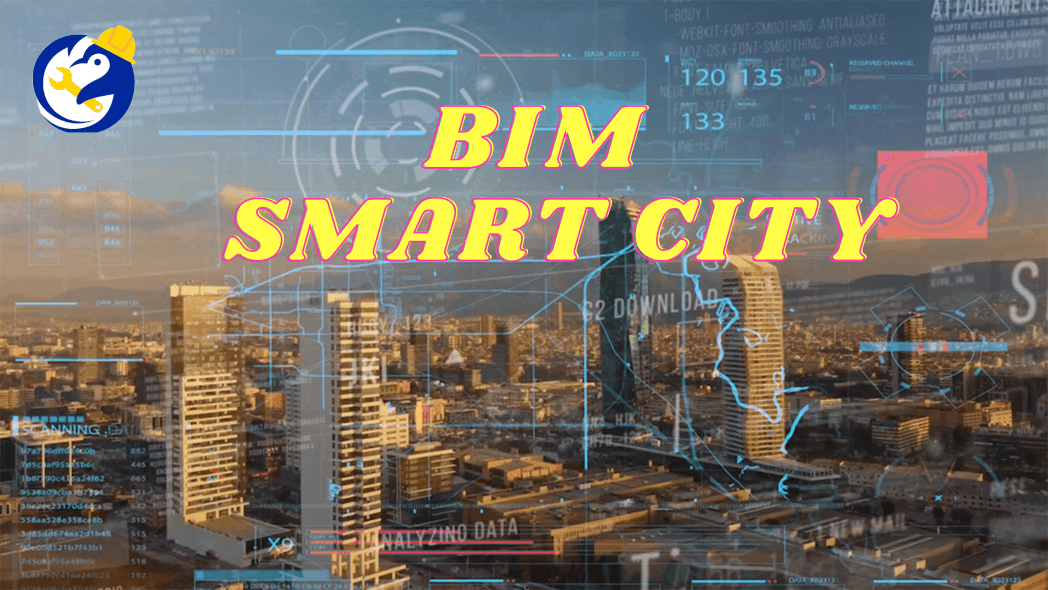
This integrated approach is increasingly being adopted in Smart Building and Smart City projects to optimize building performance and operational efficiency from the earliest stages of development.
Learn more: The Role of BIM in Smart Cities Development
In the future, the success of a project will not be measured solely by its completion, but also by its operational performance throughout the entire building lifecycle. With its ability to predict outcomes, optimize performance, and support data-driven decision-making, Energy Modeling is becoming an essential tool for modern BIM projects.
BIMCAD Vietnam provides BIM and simulation solutions that support building design, analysis, and performance optimization. Our services help organizations achieve their goals for green buildings, energy efficiency, and sustainable development.