Over the past few years, Smart Buildings have gained increasing attention as organizations adopt advanced digital technologies to modernize building operations. Beyond optimizing energy consumption, Smart Buildings deliver significant benefits for both facility managers and occupants by enhancing user experience, strengthening security, improving operational efficiency, and streamlining building management processes.
In this article, we'll explore why Smart Buildings are becoming an increasingly important trend, the key benefits they offer, and the challenges organizations should consider before implementing a Smart Building solution.

A Smart Building is a concept that does not have a single universally accepted definition. In general, it refers to a building that leverages advanced digital technologies such as IoT (Internet of Things) and AI (Artificial Intelligence) to centrally monitor, manage, and optimize building systems and data.
The primary goal of a Smart Building is to reduce energy consumption, enhance occupant comfort and experience, and improve overall operational efficiency.
With the advancement of 5G technology, Smart Buildings are evolving even further by supporting innovative applications such as robotic building management, automation that reduces manual operational tasks, and AI-powered security systems that enhance both safety and management efficiency.
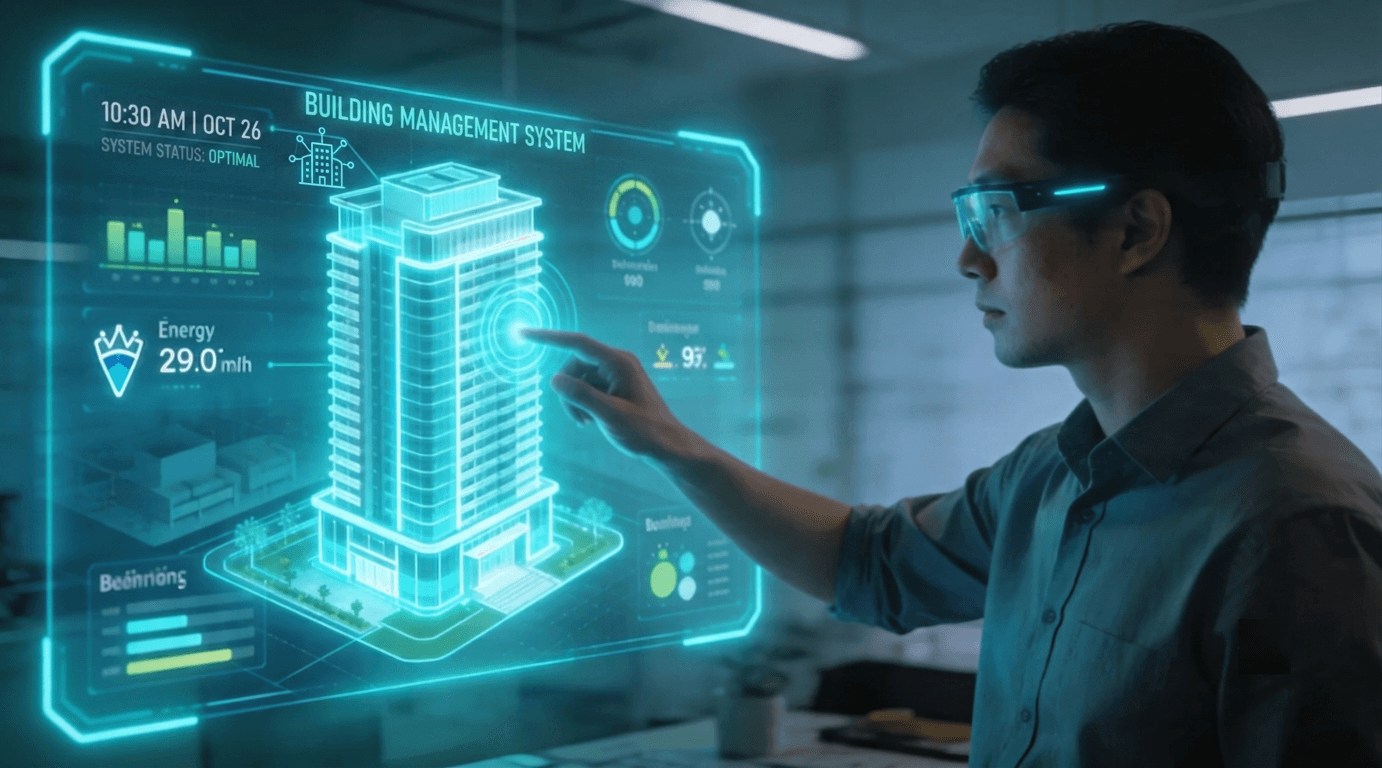
Since the early 2020s, rapid advances in digital technology have accelerated the trend of Smart Transformation across a wide range of industries. This transformation involves integrating advanced technologies into devices, systems, and infrastructure to enhance data collection, enable intelligent analysis, and automate operations.
In the context of buildings, Smart Buildings leverage technologies such as IoT, AI, Big Data, and cloud computing to collect and analyze data from both occupants and building systems. These insights enable building owners and facility managers to enhance occupant experiences, optimize daily operations, and improve overall building performance.
Beyond operational efficiency, Smart Buildings also play a vital role in addressing environmental challenges and supporting sustainable development. By optimizing energy consumption, they can significantly reduce CO₂ emissions, one of the construction industry's most pressing environmental concerns.
As a result, Smart Buildings have become a key enabler of carbon neutrality goals by 2050, while also driving the global adoption of greener, more energy-efficient, and intelligently managed buildings.
Implementing a Smart Building delivers significant value to building owners, facility managers, and occupants. Below are three of the most important benefits.
A building consumes energy across multiple systems, including HVAC, lighting, elevators, security systems, office equipment, and other electrical devices. Without efficient management, energy waste can increase operating expenses significantly.
A Smart Building continuously monitors and intelligently controls these systems, optimizing energy usage and improving overall efficiency.
A key component of this process is the Building Energy Management System (BEMS), which can:
As a result, Smart Buildings not only lower energy consumption but also reduce operating costs and support long-term sustainability goals.
In addition to improving energy efficiency, Smart Buildings significantly strengthen building safety and security.
Powered by AI and computer vision technologies, Smart Building systems can:
Through continuous monitoring and intelligent automation, Smart Buildings provide a higher level of security while reducing reliance on traditional manual monitoring methods.
One of the greatest advantages of Smart Buildings is their ability to automate and optimize building operations.
By combining IoT, AI, and 5G technologies, many tasks that previously required manual intervention can now be automated, including:
Beyond reducing labor costs and increasing operational efficiency, Smart Buildings also create a more comfortable and convenient experience for occupants. As digital technologies continue to evolve, intelligent building management applications will become even more advanced, enabling safer, more efficient, and more sustainable buildings for the future.
Successfully implementing a Smart Building requires more than investing in advanced technologies. Organizations also need a well-planned strategy that covers both the deployment and long-term operation of the building. Below are two key challenges to consider.
Building a Smart Building requires the deployment of various technologies, including sensors, control systems, and intelligent building management platforms throughout the facility.
For new construction projects, these technologies can increase the initial construction budget. For existing buildings, upgrading to a Smart Building often requires retrofitting legacy systems and coordinating with current tenants, making the implementation process more complex.
In addition to the upfront investment, organizations should also account for ongoing expenses such as:
Careful financial planning is essential to ensure the long-term success and sustainability of a Smart Building project.
Smart Buildings rely on IoT-connected devices and centralized data management, making cybersecurity a critical consideration.
Without robust security measures, organizations may face risks such as:
Security incidents can impact not only facility managers but also employees, residents, tenants, and visitors who rely on the building's digital infrastructure.
Therefore, organizations implementing Smart Buildings should invest in comprehensive cybersecurity measures, including secure network architecture, data protection mechanisms, continuous system monitoring, and well-defined information security policies to ensure reliable and resilient building operations.
To unlock the full potential of a Smart Building, organizations need a platform that can seamlessly connect data, visualize building information, and manage the entire building lifecycle. This is exactly why VinaS was developed—as a Smart Building & Digital Twin Platform for modern buildings.
VinaS integrates data from BIM, IoT, GIS, and Building Management Systems (BMS/BEMS) into a single unified platform, creating a comprehensive Digital Twin of the building. Through this digital replica, facility managers can monitor building operations in real time, quickly identify potential issues, and make faster, data-driven decisions to improve operational efficiency.
By leveraging advanced technologies such as IoT, AI, 5G, and Building Energy Management Systems (BEMS), Smart Buildings offer numerous benefits, including improved energy efficiency, enhanced security, optimized operations, and a better occupant experience. They also play a significant role in reducing CO₂ emissions and supporting long-term sustainability goals.
However, to maximize these benefits, organizations should carefully evaluate factors such as implementation costs, ongoing operational expenses, and cybersecurity before deployment. When properly designed and managed, Smart Buildings become a strong foundation for digital transformation in the construction and facility management industries.
BIMCAD Vietnam provides BIM, Digital Twin, and Smart Building solutions that help organizations digitize building data, integrate IoT systems, visualize operations through interactive 3D models, and improve the efficiency of building management throughout the asset lifecycle.