The construction industry is no stranger to technological innovation, and today it is experiencing a wave of emerging technologies that promise to transform the way everything is built. From robotics to advanced 3D printing and the Internet of Things (IoT), the construction sector is adopting new tools and processes to enhance safety, efficiency, and sustainability.
Join BIMCAD Vietnam as we explore the 6 Technologies Transforming the Modern Construction Industry and discover how they are revolutionizing construction around the world in this blog!

One of the most widely used technologies is Building Information Modeling (BIM) – a digital process that involves creating 3D models of a building and its components, which can be used for design, construction, and maintenance purposes. BIM enables architects, engineers, and contractors to collaborate and coordinate their efforts more effectively, minimizing errors and improving efficiency. Over the past decade, BIM has become an essential tool in the construction industry, enhancing productivity, quality, and sustainability.
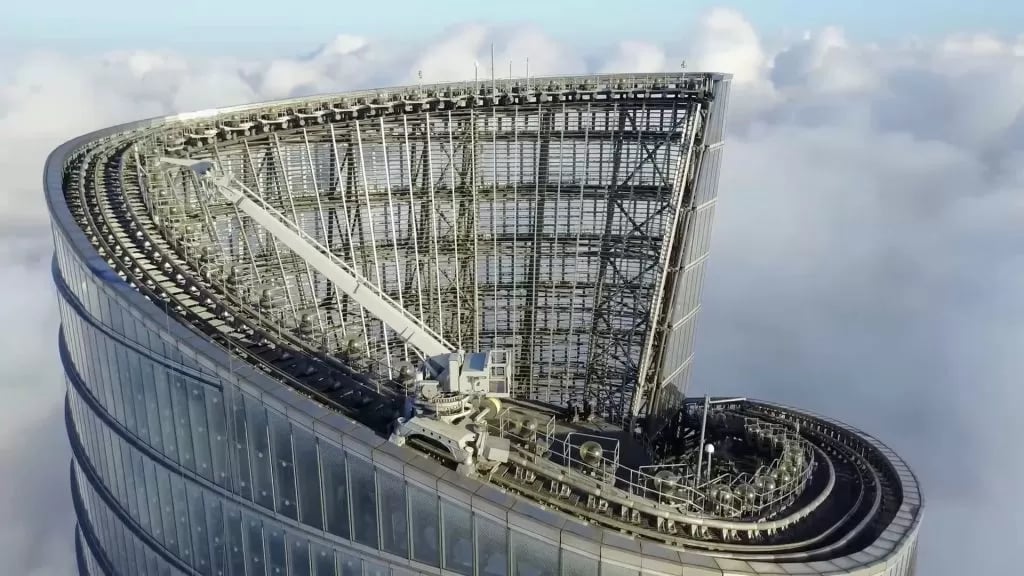
For example, BIM has been extensively used in the construction of the Shanghai Tower, an internationally recognized architectural project and a model for BIM implementation, due to its status as one of the tallest and most sustainable skyscrapers in the world. More than 30 AEC consulting firms were involved in the project, with dozens of subcontractors and extended design teams responsible for specific areas of the massive skyscraper. They utilized BIM to achieve the close coordination necessary to bring the project to completion.
Learn More: Top 6 Must-Have Revit Plugins for BIM
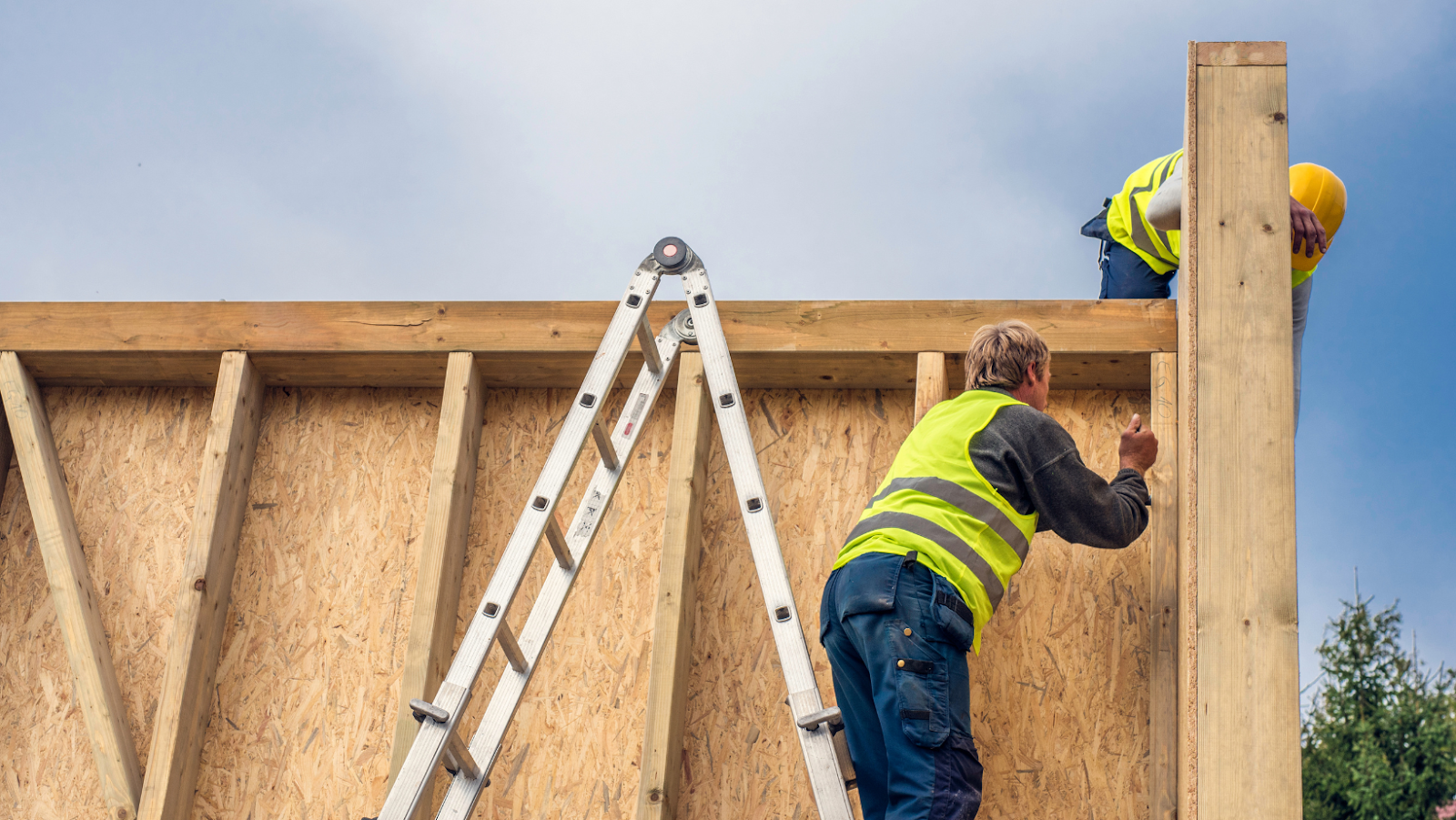
Prefabricated Construction, also known as modular construction, essentially involves creating buildings or building components at a location other than the main construction site. This method has become popular in the construction industry due to its ability to reduce construction time, minimize waste, and enhance quality control.
Prefabricated construction can be applied to various projects, including residential buildings, offices, schools, and hospitals. Building components are manufactured off-site and then quickly assembled on-site, minimizing disruption to the surrounding area. This approach also allows for more precise project scheduling, as the time spent on-site is significantly reduced.
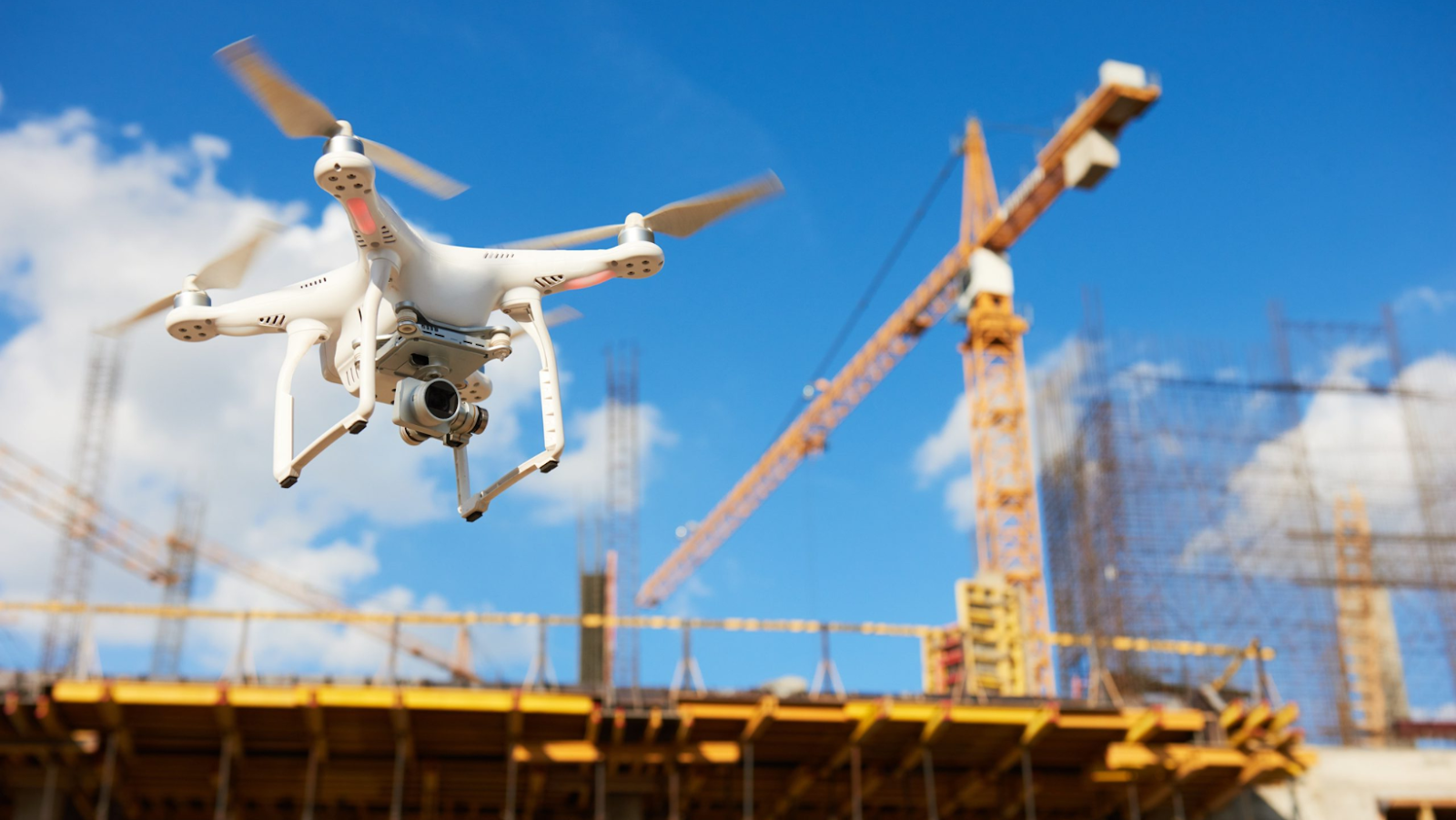
Drones are one of the most advanced tools in construction, offering a wide range of applications such as topographic surveying, site mapping, structural inspections, and project progress monitoring. Drones can perform land surveys faster and more accurately than ground teams, while also being more cost-effective than aerial photography. They can also be equipped with various sensors to collect data on environmental factors like temperature, humidity, and air quality. By providing accurate and timely information, drones help construction teams make informed decisions, enhance worker safety, and reduce project costs.
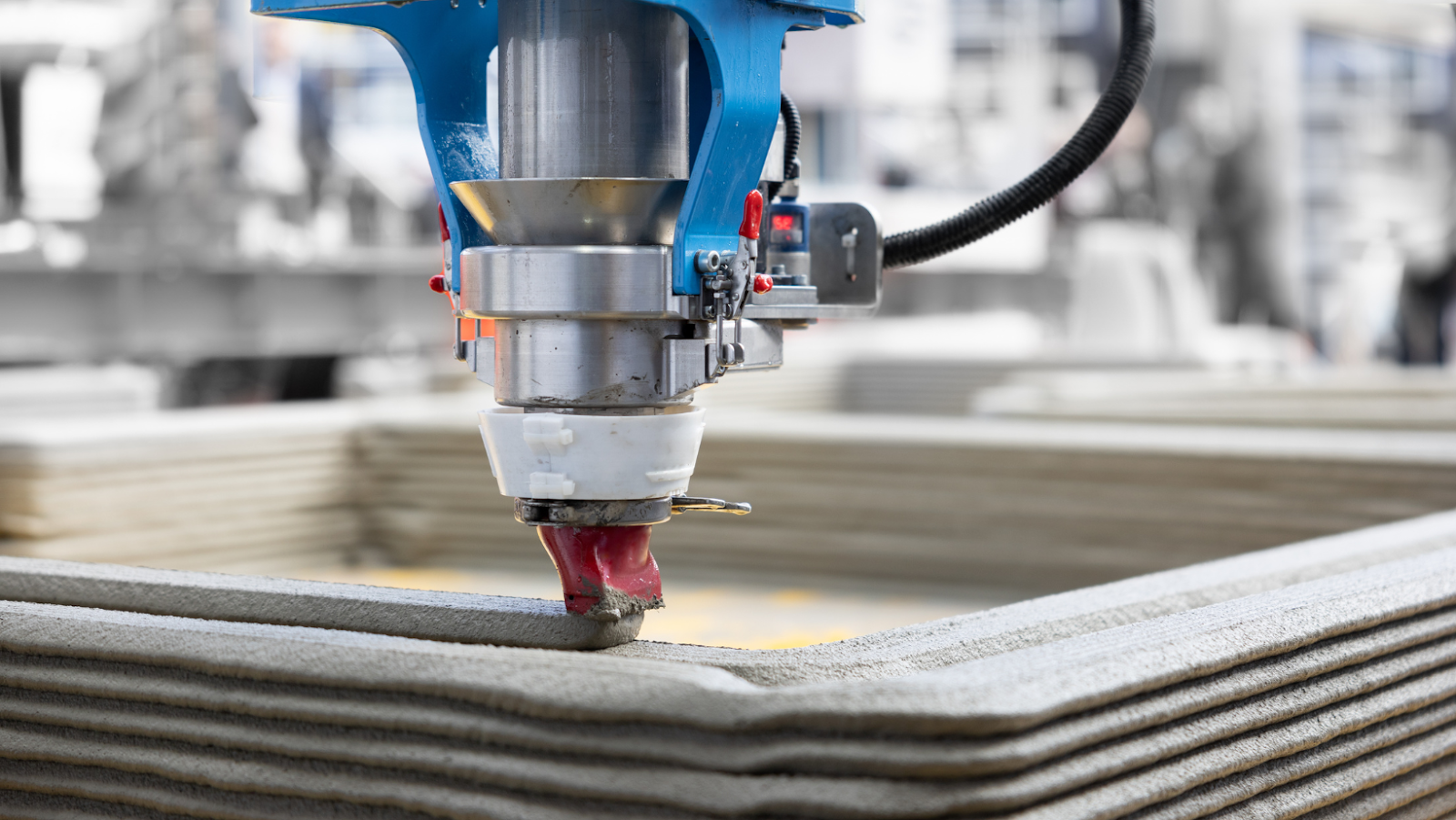
3D Printing Technology has begun to revolutionize the construction industry by offering an alternative construction method that is more sustainable, efficient, and cost-effective. This technology allows the creation of large-scale objects layer by layer, enabling the production of complex architectural designs and geometric shapes. 3D printing can be used with concrete and other building materials such as steel and plastics. This approach allows faster access to materials and simplifies the construction process by eliminating unnecessary steps. Additionally, on-site 3D printing reduces waste and saves on transportation and storage costs.
Applications
Challenges
IoT (Internet of Things) is a technology that collects data from multiple connected devices using sensors and algorithms. This data benefits the construction industry by enabling professionals to identify safety issues and ensure that construction processes stay on schedule. With sensors, construction companies can now access real-time data, allowing them to take swift and informed actions.
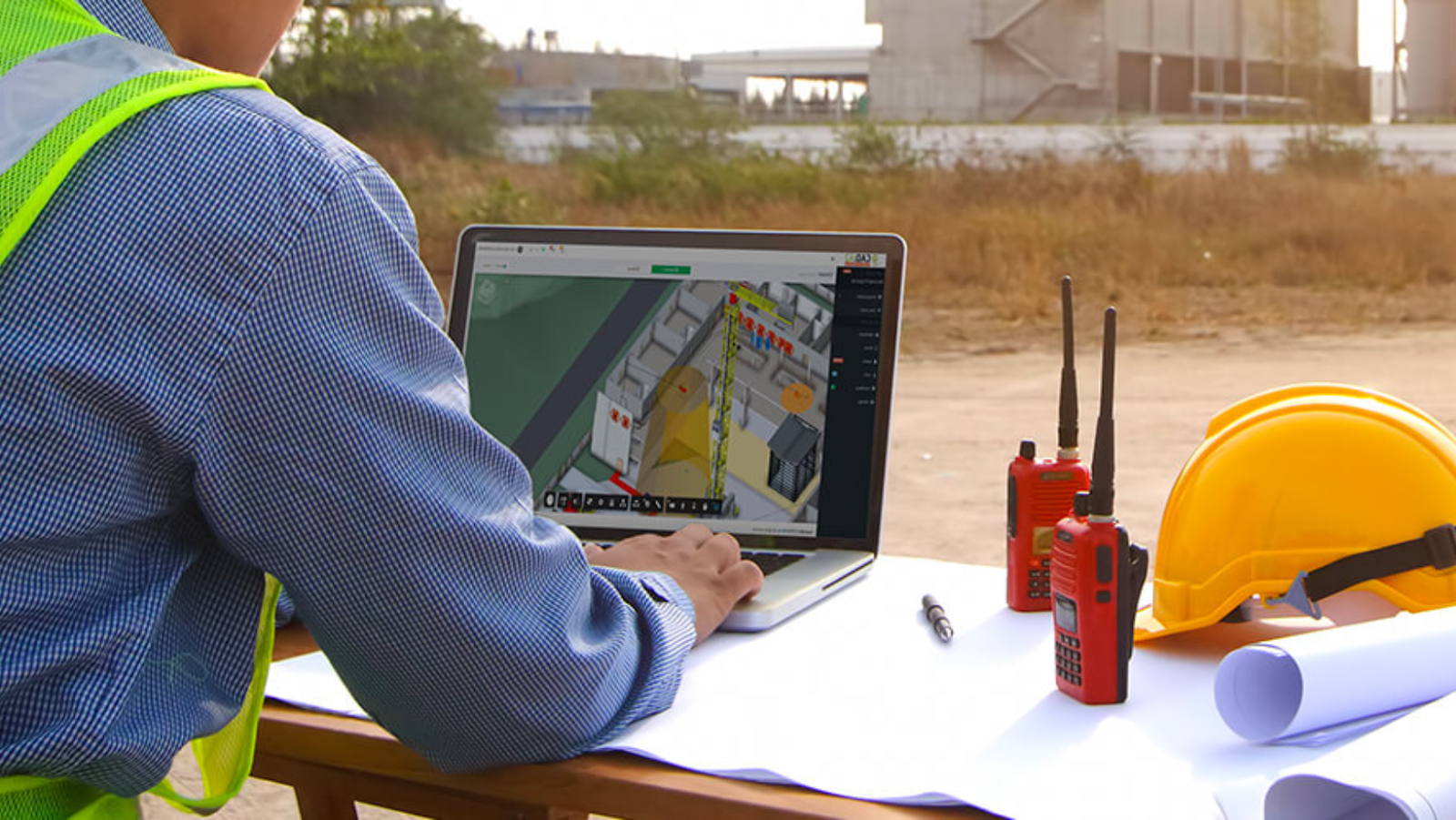
Blockchain enables transparency in data ownership, increasing collaboration and trust among stakeholders while promoting broader data sharing. Through its “immutable ledger,” blockchain can enhance transparency for every type of agreement and transaction throughout a construction project. This can lead to more efficient supply chain processes, reducing fragmentation and complexity in large-scale projects.
Blockchain also has the potential to serve as a single source of truth for all aspects of a construction project when integrated with Building Information Modeling (BIM). This integration can support design, construction, operation, and maintenance throughout the asset’s lifecycle, acting as a reliable digital twin.

Learn More: Understanding IFC in BIM from A to Z
The construction industry is undergoing a significant transformation thanks to advanced technologies. These innovations bring greater efficiency, productivity, and safety to construction processes. By leveraging automation, artificial intelligence, robotics, and other cutting-edge technologies, construction companies can save time and money, reduce waste, and improve overall project outcomes.
Are you facing challenges in implementing BIM, Revit, CDE, or any other technology and technical aspects related to BIM for your projects?
Don’t worry— BIMCAD Vietnam is always ready to support and accompany you!