Traffic congestion, especially in large cities, has become a global issue, significantly impacting the economy, society, and the environment. To address this problem, Intelligent Transportation Systems (ITS) have been developed.
Introduction to Intelligent Transportation Systems (ITS)
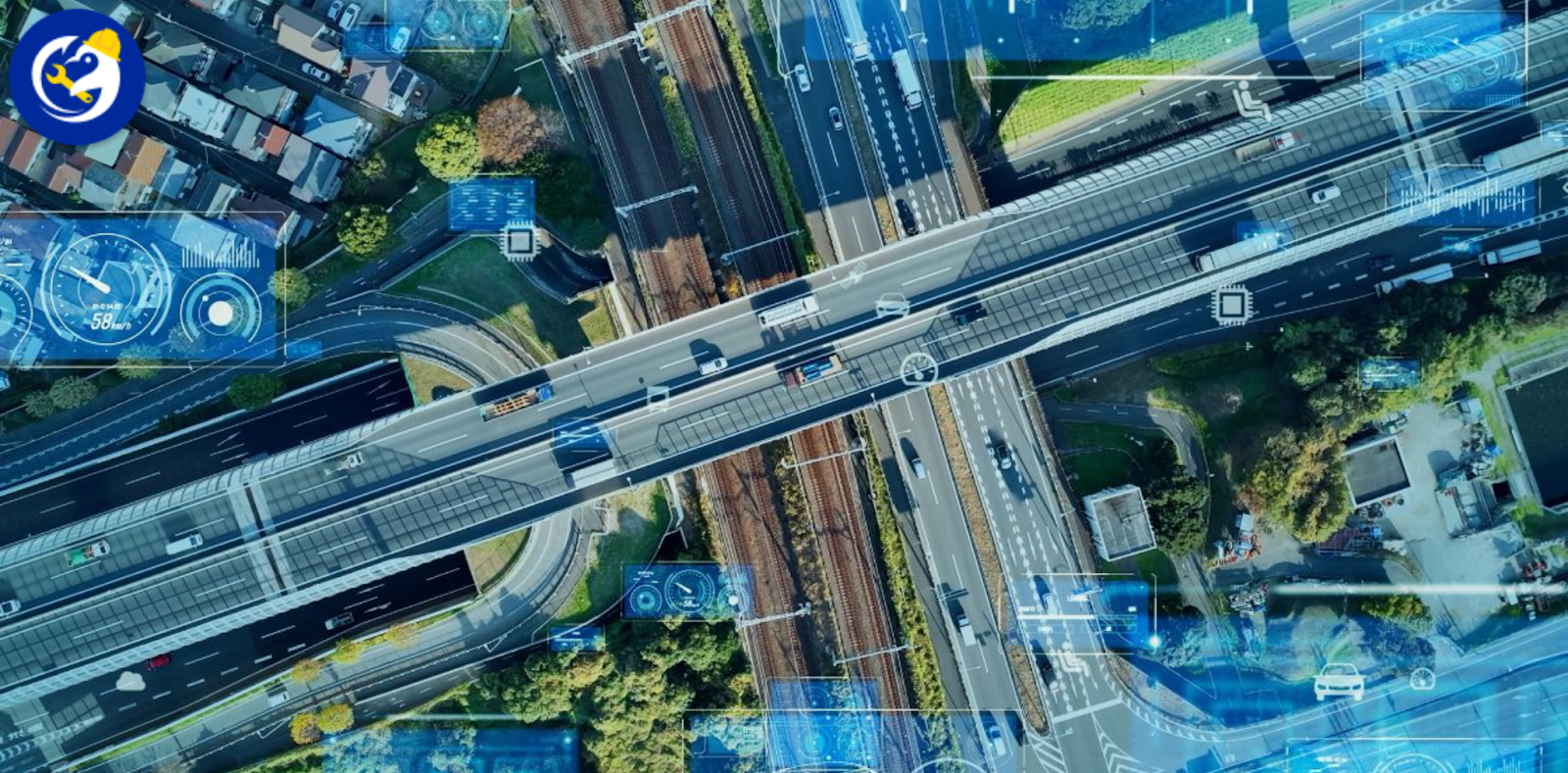
ITS, or Intelligent Transportation System, is a system that integrates modern technologies such as IoT, AI, and machine learning to collect, process, and analyze traffic data, thereby enabling effective traffic management decisions.
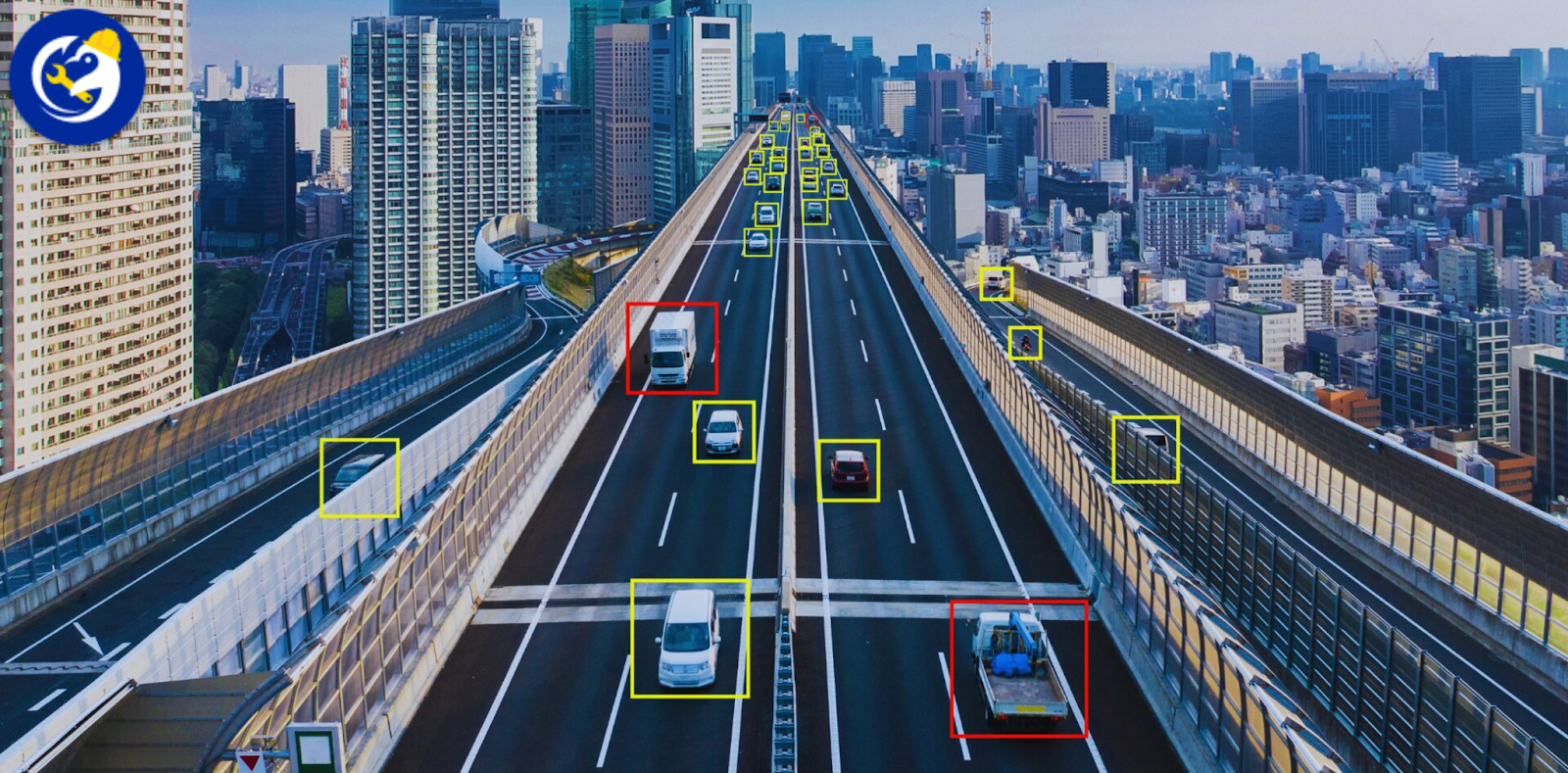
ITS operates by connecting sensors, cameras, and other smart devices to monitor real-time traffic conditions. Based on the collected data, the system provides solutions such as adjusting traffic signal timings, rerouting traffic flows, and alerting drivers about road incidents. As a result, ITS helps reduce traffic congestion, minimize accidents, and lower emissions.
Main Components of an Intelligent Transportation System (ITS)
An Intelligent Transportation System (ITS) consists of multiple components that interact with each other to efficiently manage and control traffic flow. The main components of ITS include:
Data Collection System: This is the “eyes” of ITS, responsible for gathering traffic information through sensors, cameras, GPS, and other IoT devices. The collected data includes traffic volume, speed, density, incidents, and other parameters.
Communication System: Data collected from sensors is transmitted to the control center via communication networks such as 5G, Wi-Fi, and other dedicated networks.
Control Center: This is the “brain” of ITS, where data is processed, traffic conditions are analyzed, and control decisions are made. Specialized software and artificial intelligence are used to optimize traffic management.
Traffic Control System: This includes intelligent traffic signals, electronic signage, and other control devices that regulate traffic flow in real time.
User Information System: Provides traffic information to users through mobile applications, electronic displays, and other communication channels, helping them choose optimal routes and avoid congestion.
Electronic Payment System: Supports cashless payment methods such as smart cards, e-cards, and mobile payment applications.
Public Transport Management System: Includes systems for managing buses, metro systems, and other public transportation, helping to optimize schedules and improve operational efficiency.
Benefits of Implementing Intelligent Transportation Systems (ITS)
The implementation of Intelligent Transportation Systems (ITS) is an essential and effective solution to address major challenges faced by modern cities, such as traffic congestion, road accidents, and environmental pollution.
Improved Traffic Efficiency: ITS optimizes traffic signal control and traffic flow management, reducing congestion and saving time and fuel for road users.
Enhanced Safety: Through surveillance cameras, sensors, and data analytics technologies, ITS helps detect traffic incidents early, minimize accidents, and support emergency response operations.
Environmental Protection: By reducing congestion and encouraging the use of public transportation, ITS contributes to lowering emissions and protecting the environment.
Economic Development: ITS facilitates the transportation of goods, promotes economic growth, and enhances the competitiveness of cities.
Improved Quality of Life: ITS makes travel more convenient and efficient, helping people save time and reduce stress.
Specific Examples:
In Singapore: The ITS has significantly reduced traffic congestion, improved air quality, and minimized traffic accidents.
In major cities in Vietnam: The implementation of ITS can help reduce congestion at key intersections, especially during peak hours.
Conclusion
The implementation of Intelligent Transportation Systems (ITS) is not only a technological trend but also a necessary solution for building smart and sustainable cities. ITS delivers significant economic, social, and environmental benefits, contributing to an improved quality of life for citizens. With the rapid advancement of technology, ITS is expected to become increasingly widespread and play a vital role in the development of smart and sustainable urban environments.
Are you facing challenges in implementing BIM, REVIT, CDE, or any technology and engineering aspects related to BIM for your project?
Don’t worry — BIMCAD Vietnam is always ready to support you!