The Architecture, Engineering & Construction (AEC) industry is entering one of the most significant digital transformation phases in its history, and Cloud-Based BIM is playing a central role in this shift.
In the past, BIM workflows often relied on local files, isolated systems, and email-based exchanges, which made coordination between teams slow and inconsistent. However, as modern construction projects become increasingly complex, these traditional methods are no longer sufficient.
Cloud-Based BIM introduces a completely new approach, where all data is managed on a centralized cloud platform, enabling stakeholders such as architects, structural engineers, MEP consultants, contractors, and project owners to collaborate in real time on a single model from anywhere in the world.
This shift not only improves coordination but is also fundamentally reshaping the entire process of design, construction, and facility management throughout the building lifecycle.

Cloud-Based BIM is the method of storing, managing, and coordinating BIM models on secure online platforms instead of relying on fragmented local systems.
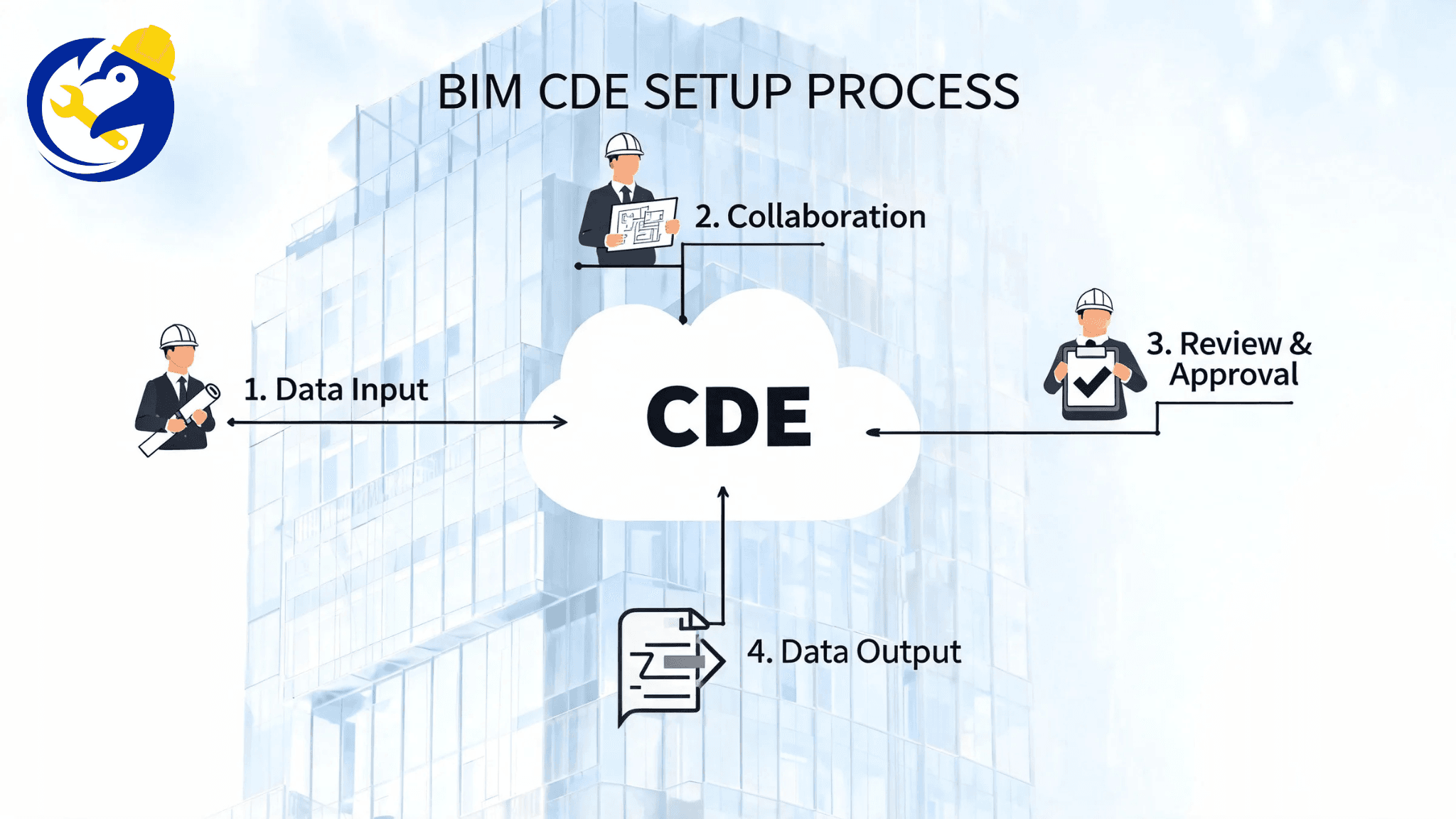
Rather than sending multiple file versions via email or manually updating models between teams, all stakeholders work within a centralized data environment where information is continuously updated and synchronized in real time.
This brings several key improvements:
In traditional workflows, even a small design change can lead to inconsistencies between teams. In contrast, with Cloud-Based BIM, all stakeholders see the same updated model instantly. This level of synchronization is becoming an essential requirement in modern construction projects.
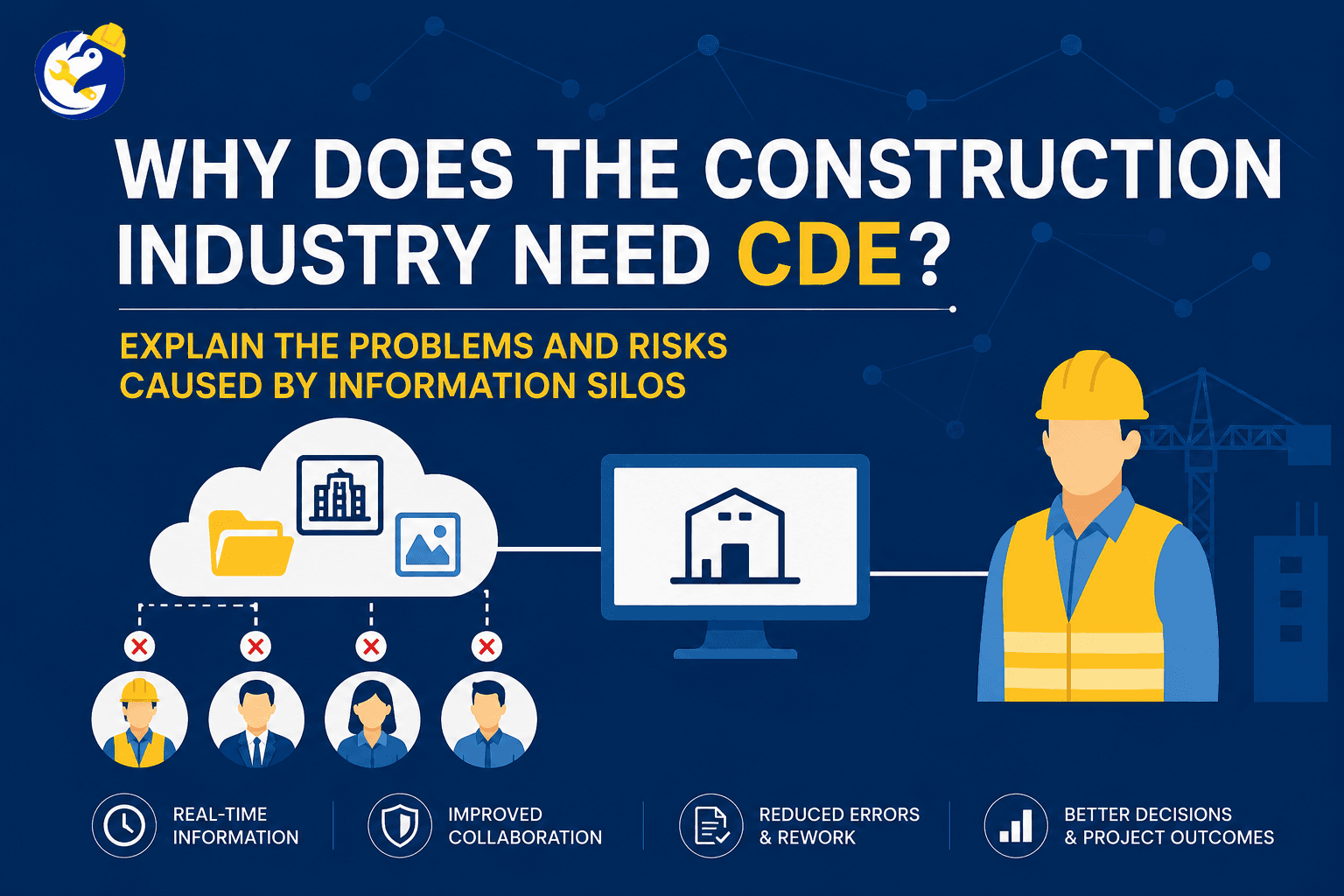
Modern construction projects are handling increasingly large volumes of data, involving multiple consulting teams, remote collaborators, and ever-tighter project schedules.
In this context, traditional BIM systems often face several limitations such as data duplication, version conflicts, slow approval workflows, inefficient communication, disrupted coordination, and heavy reliance on manual information exchange.
Cloud BIM emerges as a solution to these challenges by creating a connected data ecosystem where information flows seamlessly between disciplines and all project stakeholders.
As a result, teams can detect clashes earlier, improve coordination speed, reduce rework, automatically track design history, enhance transparency, and make faster, more informed decisions.
For large-scale projects in particular, cloud-based collaboration is no longer just an option—it is rapidly becoming a mandatory requirement in the modern construction industry.
One of the biggest advantages of Cloud-Based BIM is the ability to enable real-time collaboration.
Architects, structural engineers, and MEP teams no longer need to wait for static file exchanges to continue their work as before. Instead:
This significantly reduces one of the major causes of construction delays: communication breakdown.
When everyone works on separate files, errors can easily occur and multiply. In contrast, when all stakeholders work within a unified cloud environment, coordination efficiency improves dramatically.
Modern AEC projects are increasingly global in nature. Without a cloud collaboration platform, coordinating between distributed teams becomes extremely challenging.
Cloud BIM enables geographically dispersed teams to work together efficiently without relying on outdated file-sharing methods.
This becomes even more critical with the global shift toward hybrid and remote working models.
Cloud-connected BIM workflows significantly improve clash detection and model coordination. When models are continuously updated:
Platforms integrated with tools such as Navisworks, VinaCDE, and issue-tracking systems help teams resolve problems before construction begins.
In construction, early detection of issues saves significant time and cost.
Cloud-based workflows are also accelerating the development of:
More and more emerging technologies rely on cloud environments, as modern BIM data requires accessibility, scalability, and strong collaboration capabilities.
Research in AI-driven BIM automation is also showing a future where intelligent systems can interpret natural language instructions and support more efficient model creation and management.
The future of BIM is no longer just 3D modeling — it is a connected, intelligent, and data-driven digital construction ecosystem.
Although Cloud BIM brings many significant benefits, its adoption still faces several challenges within the industry. Common barriers include resistance to workflow changes, lack of unified BIM standards, inefficient coordination processes, insufficient BIM training, dependency on internet connectivity, concerns about data security, and high initial implementation costs for some organizations.
However, most large enterprises today recognize that the long-term benefits far outweigh the transition challenges. Companies that adopt early are gaining a significant competitive advantage in the market.
The construction industry is rapidly shifting toward integrated digital project delivery models. Governments, infrastructure developers, and global contractors are increasingly demanding:
Cloud-Based BIM is becoming the core foundation that enables all of these requirements.
Organizations that still rely on fragmented desktop-based workflows may struggle to compete in an industry moving toward fully connected digital environments. The future of AEC is no longer just about creating models, but about connecting people, processes, and project intelligence within a unified collaborative digital ecosystem.
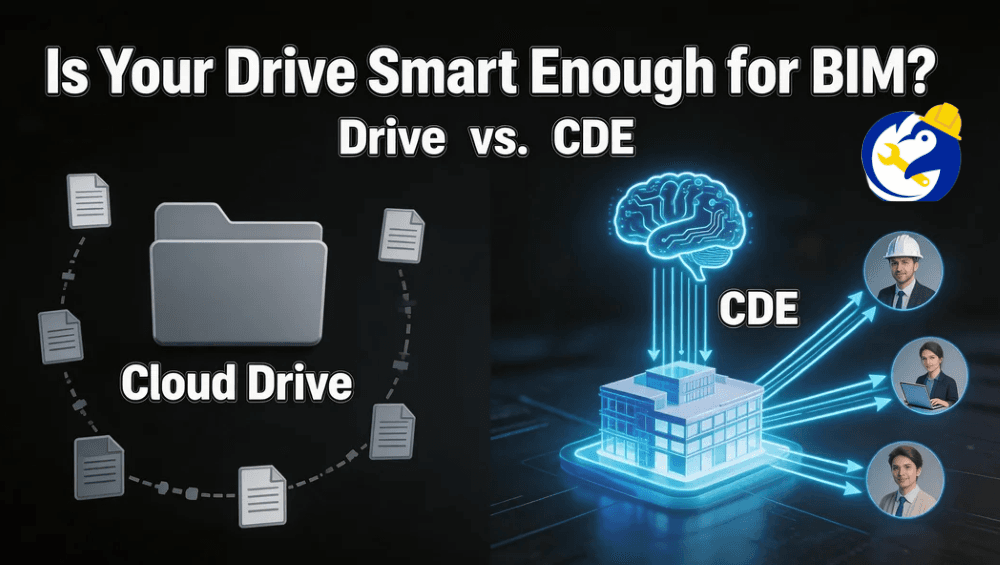
In the context where Cloud-Based BIM is becoming the new industry standard, centralized and real-time data management plays an increasingly critical role. It forms the foundation for ensuring data consistency, reducing errors, and improving coordination across all project disciplines.
VinaCDE is developed as a Common Data Environment (CDE) platform that enables full project data integration within a unified system. It allows stakeholders to easily access information, control versioning, track approval workflows, and manage project data throughout the entire lifecycle of an asset.
As a result, VinaCDE not only optimizes BIM workflows but also plays an important role in driving digital transformation in the construction industry, moving toward Smart Construction and Digital Project Delivery.

Learn more: VinaCDE – A Comprehensive Construction Project Management Platform
Cloud-Based BIM is gradually becoming a core foundation in the digital transformation of the construction industry. Beyond improving coordination between disciplines, Cloud BIM also creates a unified working environment where data is continuously updated, transparent, and easily controlled throughout the entire project lifecycle.
In the future, the value of BIM is no longer limited to 3D modeling, but extends to the ability to connect people, processes, and data within a synchronized digital ecosystem. This is a key factor that enables organizations to improve project delivery efficiency, reduce errors, and optimize operational costs.
With a focus on developing BIM solutions and CDE platforms, BIMCAD Vietnam supports enterprises in building a modern Cloud BIM ecosystem, moving toward a more sustainable and efficient Digital Construction model.