BEP is a document that outlines key considerations related to the use of BIM. Let’s explore BEP together with BIMCAD Vietnam in Part 2!
Learn more: BIM Guideline: Understanding EIR and BEP (Part 1).
BEP is a document that represents the “BIM Execution Plan.” It is prepared by the contractor based on the EIR previously issued by the client or consulting organization. Specifically, it records the agreements negotiated between the parties regarding the distribution of roles in the project, the intended uses of BIM, system requirements, and other related aspects. During the construction phase, a BEP can also be developed for the application of BIM in construction after discussions among the client, designers, and construction contractors.
When developing a BEP document, analyzing the cost, implementation time, and resources used in previously implemented BIM projects is an important factor. In addition, data related to manpower, workflows, investment costs, and system performance are also essential considerations.
The level of detail of a 3D model depends on the objectives of each project stage. Therefore, the BEP document should also include relevant information about this aspect. For example:
2D drawings are an essential part of the design and construction process. The creation of 2D drawings is a crucial step in construction and plays a key role in project planning within the BEP.
Stage | Deliverables | Comments |
| Conceptual Design | Floor Plans, Elevations, and Sections | No need for excessive detail in small elements. |
| Detailed Design | General Architectural Drawings, Detailed Floor Plans, and Component Details | 2D drawings can be generated from the BIM model. |
| Construction | Construction Drawings and As-built Drawings | Must ensure consistency with the BIM model. |
| Maintenance | BIM Model Diagrams and User Guidelines | Add necessary attribute information and consider creating a BIM model. |
Clash detection in a BIM model is the process of identifying conflicts or collisions between different elements of a building. This helps ensure that various systems—such as architecture, structure, electrical, plumbing, and HVAC—are arranged properly and do not interfere with one another.
Clash detection in a BIM model is an essential step, especially when developing a BEP for a construction project. By referencing clash detection in advance, the BEP document can provide several benefits, such as:
BIM (Building Information Modeling) is not only a design tool but also a platform for optimizing the entire construction process. With BIM, architects can create intelligent 3D models that allow detailed and accurate simulation and analysis of design elements.
To ensure that a project complies with construction regulations, BIM allows us to simulate the building in detail, including its form, height, and position relative to surrounding structures. This makes it easier to evaluate factors such as shadow impact, building setbacks, and height restrictions.
When analyzing how users access a building, necessary information such as the building’s shape and the surrounding area is incorporated into the Building Information Model (BIM). This enables a clearer evaluation of accessibility and circulation around the building.
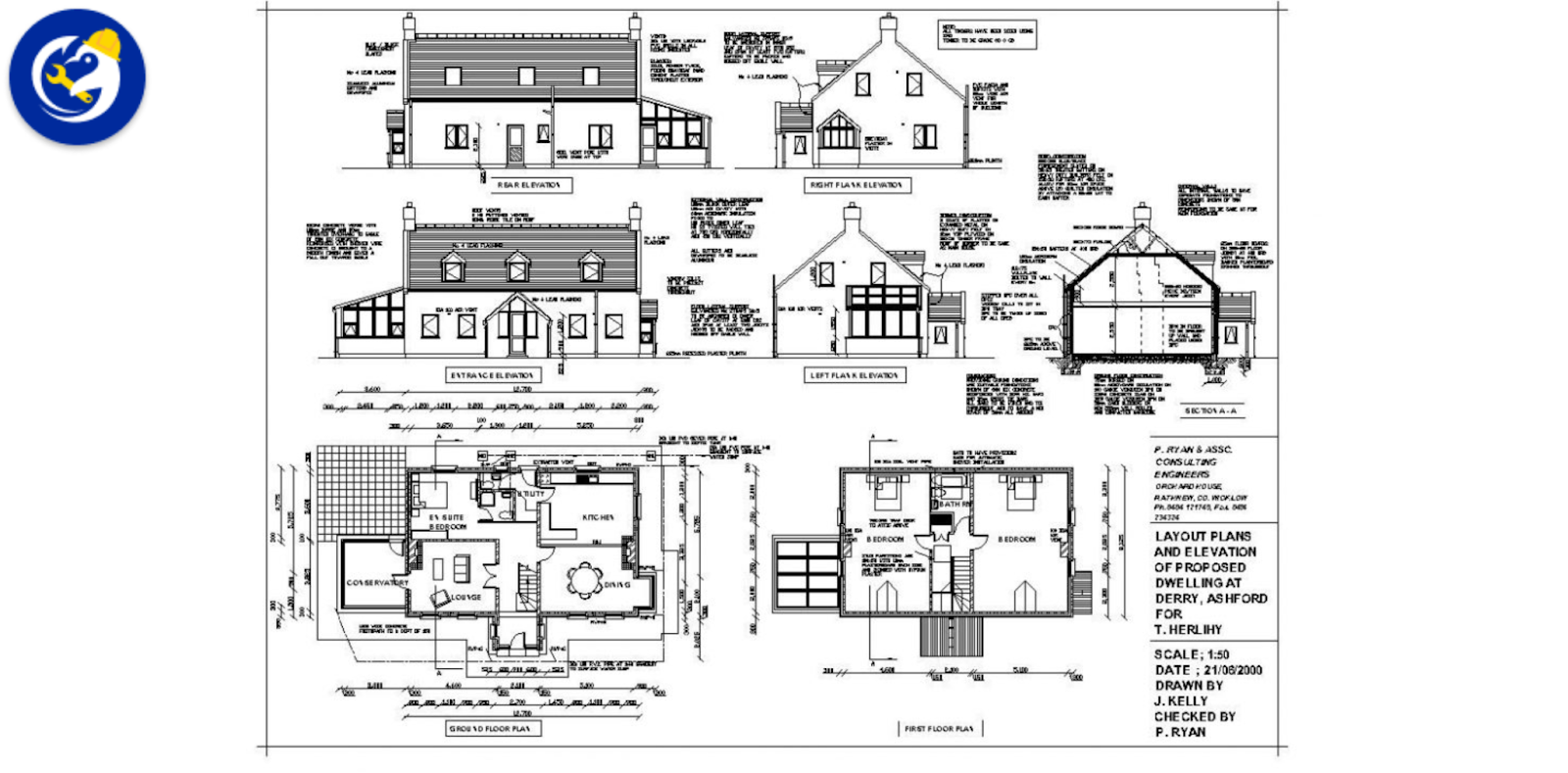
When reviewing the floor plan, including space zoning and the layout of main rooms, necessary information such as functional areas, room sizes, and intended uses is entered into the Building Information Model (BIM). An effective approach is to use color coding to distinguish areas and rooms in the model, making visualization clearer and the evaluation process more convenient.
When assessing the building’s impact on the surrounding environment—such as strong winds caused by the building or light pollution—relevant information is entered into the BIM model. This may include the shapes of neighboring buildings, vegetation, and the geographic coordinates of the site. The selection of input data depends on the specific purpose of the analysis.
When performing thermal environment simulations for the entire building or specific workspaces—with the goal of saving energy and reducing carbon emissions—necessary information is added to the BIM model. This includes window performance, insulation materials, ventilation and natural ventilation conditions, and the performance of heating and cooling systems. At the same time, it is important to ensure that the components forming the BIM model are neither duplicated nor missing.
When evaluating the lighting environment, especially in workspaces, the BIM model incorporates necessary information such as the shape of eaves and sunshades, the form of surrounding buildings, the condition of vegetation, and the latitude and longitude of the site.
With the continuous development of information technology, BEP and BIM will continue to play an important role in the construction industry. The application of emerging technologies such as virtual reality (VR) and artificial intelligence (AI) in BEP will further enhance the efficiency and quality of the construction process.
Are you facing challenges in implementing BIM, REVIT, CDE, or any technology and technical aspects related to BIM for your project?
Don’t worry— BIMCAD Vietnam is always ready to support and accompany you!